Tankers (1/4)

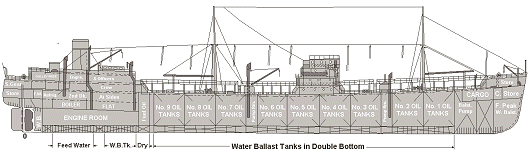
tanker ship drawing
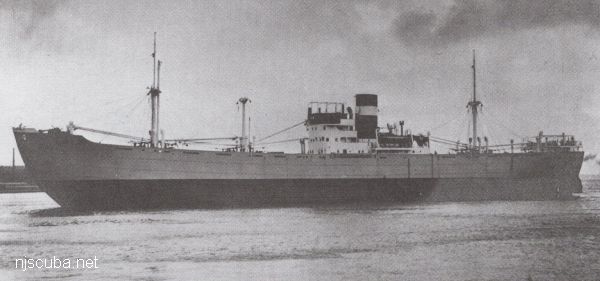
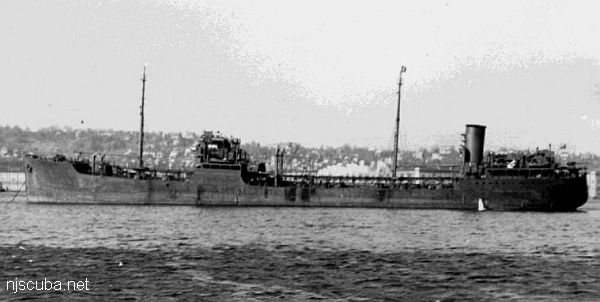
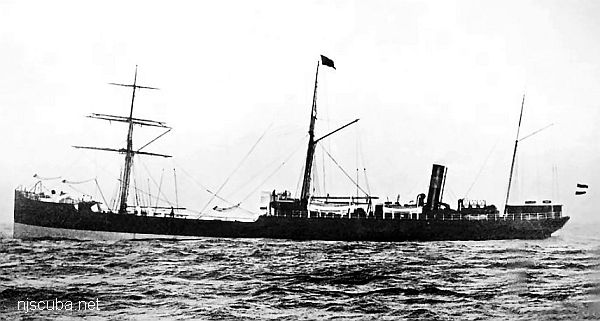
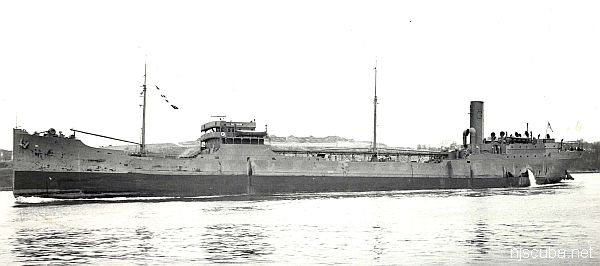
Typical 1930s oil tanker

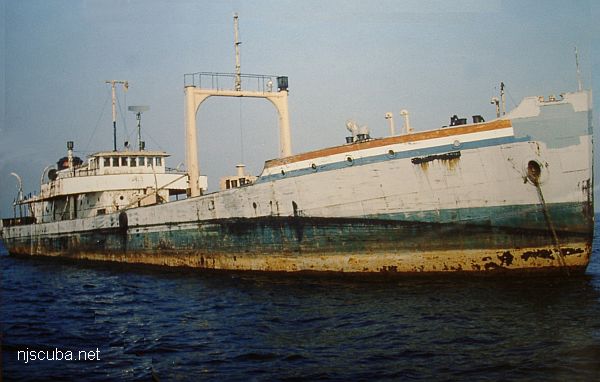
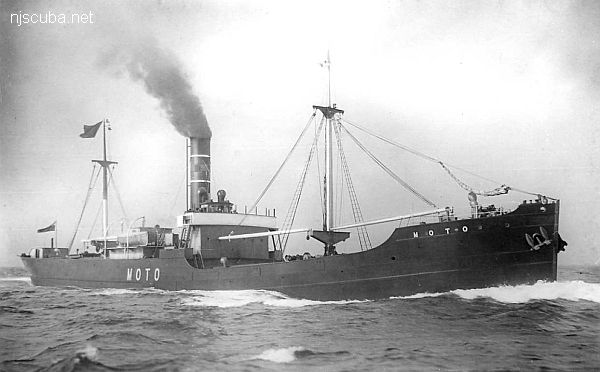
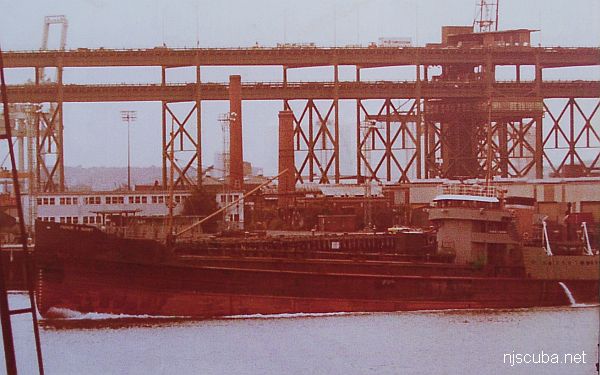
A tanker is a cargo ship designed to carry liquid cargoes, usually but not always fuel oils.

 1 2 3 4  


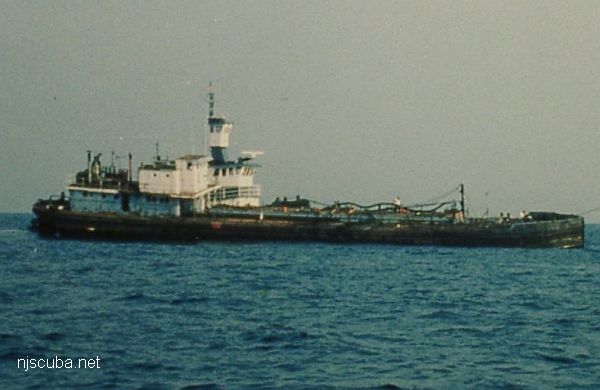
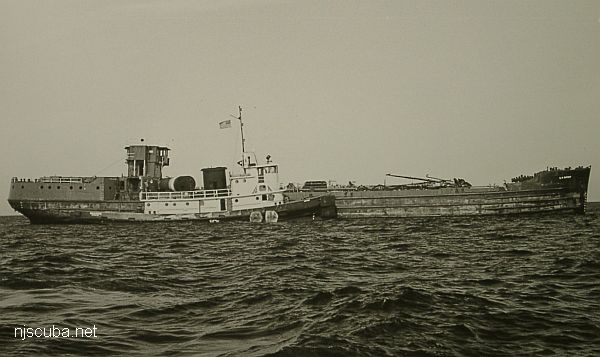
Alan Martin reef
Type:
artificial reef, tanker, US Navy, YO-20 class
Built:
1918, Todd Shipyards, New York NY USA, as YO-31
Specs:
( 161 x 25 ft ) 335 tons light, 911 tons full-load
Sponsor:
Crystal Oil Corporation, Marine Trades Assn. of NJ, Fisherman Magazine
Sunk:
Thursday September 10, 1987 - Sea Girt Artificial Reef
GPS:
40°06.440' -73°41.130'
Depth:
125 ft

Shipwreck Bidevind
Type:
shipwreck, tanker, Norway
Built:
1938, Germany
Specs:
( 414 x 56 ft ) 4956 gross tons, 36 crew
Sunk:
Thursday April 30, 1942
torpedoed by U-752 - no casualties
GPS:
39°48'57" -72°46'07" (US Navy 2004)
Depth:
190 ft


Shipwreck Coimbra
Type:
shipwreck, tanker, England
Name:
Coimbra is an important city and university in east-central Portugal.
Built:
1937, Germany
Specs:
( 423 x 60 ft ) 6768 gross tons, 40 crew
Sunk:
Thursday January 15, 1942
torpedoed by U-123 - 34 casualties
Depth:
190 ft, starts at 165 ft

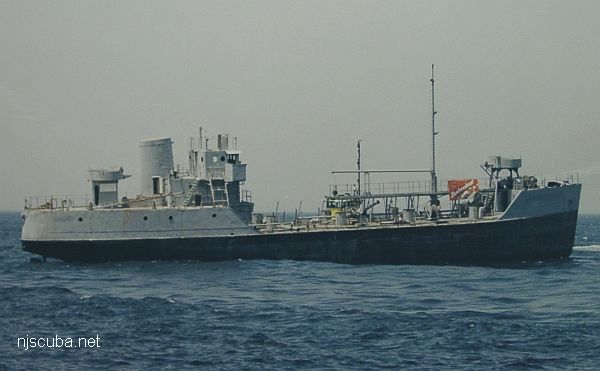
Coney Island reef
Type:
artificial reef, tanker, sludge
Built:
1938, Bethlehem Staten Island, Staten Island NY USA
Specs:
( 250 x 40 ft )
Sponsor:
Crystal Oil Corporation, Marine Trades Assn. of NJ, Fisherman Magazine
Sunk:
Thursday September 10, 1987 - Sea Girt Artificial Reef
GPS:
40°06.285' -73°41.365'
Depth:
125 ft, starts at 80 ft

Shipwreck Durley Chine
Type:
shipwreck, tanker, England
Built:
1913, England
Specs:
( 279 x 40 ft ) 1918 gross tons, 28 crew
Sunk:
Sunday April 30, 1917
collision with steamer Harlem - no casualties
Depth:
185 ft


Shipwreck Gluckauf
Type:
shipwreck, tanker, Germany
Built:
1886, Germany
Specs:
( 300 x 37 ft ) 2307 gross tons
Sunk:
Friday March 25, 1893
ran aground in storm - no casualties
Depth:
0-25 ft

Shipwreck Gulf Trade
Type:
shipwreck, tanker, USA ( Gulf Oil )
Name:
One of a series of ships owned by Gulf Oil company, all named "Gulf ____"
Built:
1920, Sun Shipbuilding, Chester PA USA
Specs:
( 430 x 59 ft ) 6776 gross tons, 34 crew
Sunk:
Tuesday March 10, 1942
torpedoed by U-588 - 18 casualties
Depth:
bow - 60 ft ; stern - 90 ft

Tankers

 1 2 3 4  

Aids to Navigation

Shipping Lanes & Lighthouses

The US Coast Guard maintains a number of aids to navigation to assist vessels entering and leaving ports, both great ports like New York and Philadelphia, and minor ports like Shark River and Montauk. At sea, these aids take the form of buoys that mark out channels and shipping lanes. The chart about also marks major ocean-side lighthouses and a few others. All of these are still extant and may be visited except Shinnecock, which was torn down.

Shipping lanes are like divided highways at sea. Inbound and outbound lanes are separated by a wide "Separation Zone, " which may or may not be depicted on the charts in this website, depending on the scale. Ships "drive on the right" just like cars in civilized countries. At the inbound end where all the lanes converge into the harbor channel, things get messy, and I didn't try to depict it. Likewise, the outer ends of the lanes are not exact either.