
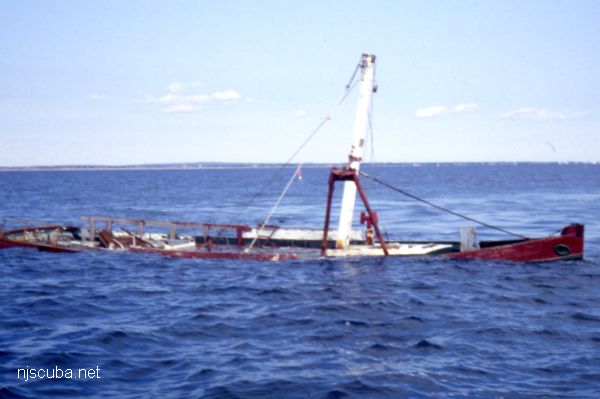
- Type:
- artificial reef, trawler, USA
- Built:
- 1927, F.G. Post, Mystic, CT USA ???
- Specs:
- ( 50 ft )
- Sunk:
- Wednesday October 28, 1992 - Shinnecock Artificial Reef
- Depth:
- GPS:
- 40°47.994' -72°28.116'
More: Mayflower ...
More: Mayflower ...
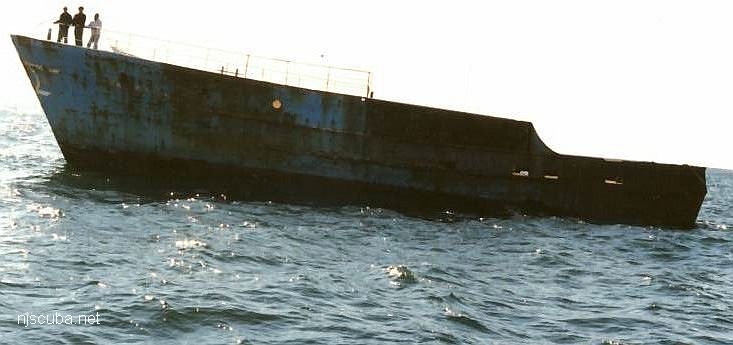
More: Niagara Falls ...
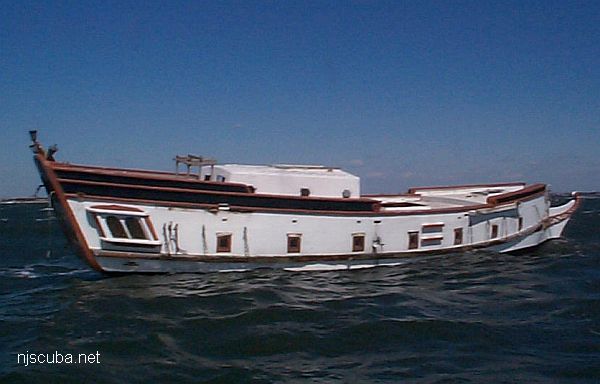
More: Peregrine ...
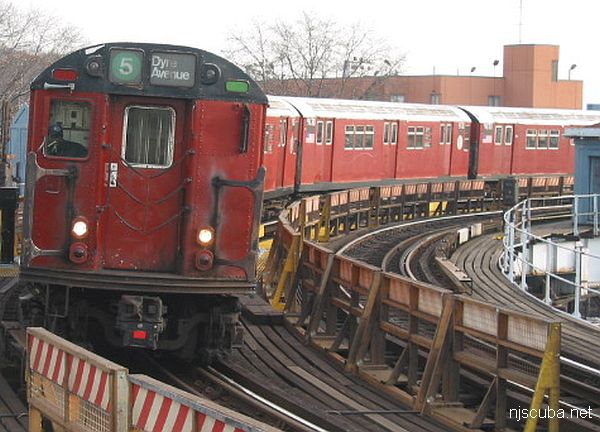
There is a great deal of controversy over the use of subway cars as artificial reefs. There shouldn't be. Subway cars are fish condos. They are the perfect size and shape to provide homes for all sorts of fishes, as well as large attachment areas for other organisms. The fact that they come complete with large door and window openings is even better. Most reef materials, such as ships and barges, improve with age because they open up, allowing easier access to the interior. Indeed, some of the most barren reefs I have seen are those that are completely intact, since they offer little shelter.
More: Rail Cars ...
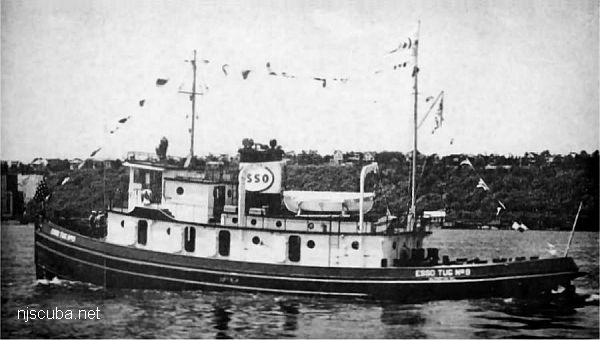
More: Relentless ...
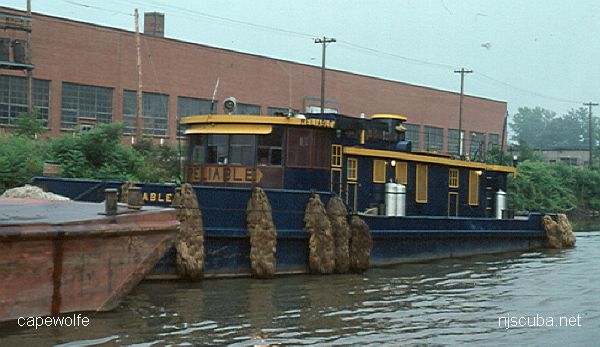
More: Reliable ...
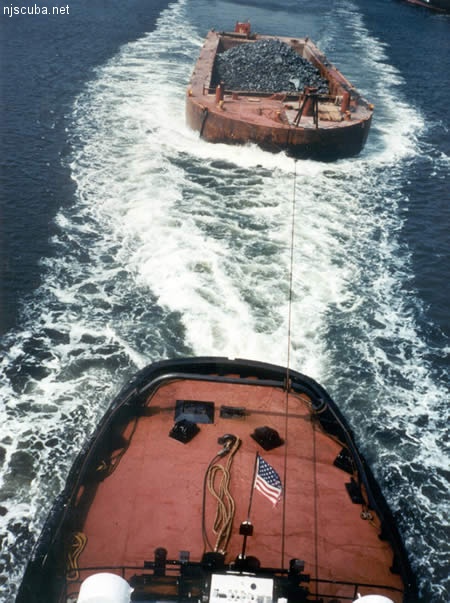
All manner of concrete, steel, and stone rubble from dredging, demolition projects, and other construction is used as artificial reef materials. This material is generally available at very low cost or free from construction companies who are more than happy to get rid of it. Transportation costs determine where this material is used by the Reef Program.
More: Rock & Rubble ...
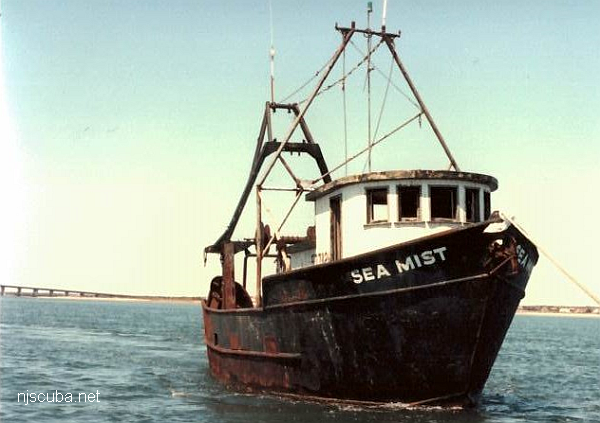
More: Sea Mist ...
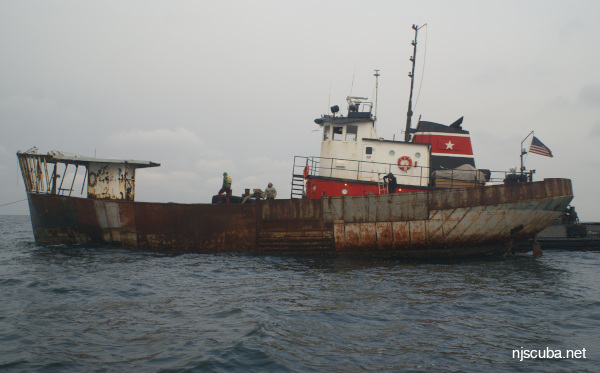
More: Socatean ...
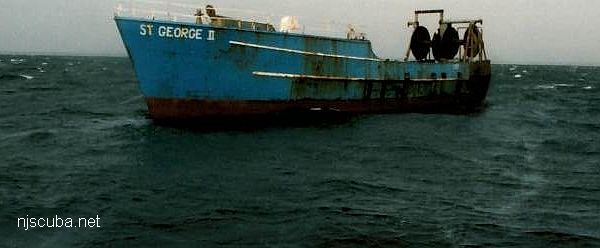
More: St George II ...
If Nitrox will not take you deeper than air, what will? I touched on a couple of possibilities previously - Trimix and Heliox, but I did not explain what they are, or how they work. I'm not a "Tech" diver; I'm not interested in going deep enough to actually need such gas mixes, and I've never taken a formal class in such things. But I do have an engineering degree, curiosity, and half a brain.
More: Going Deeper - "Tech" ...