
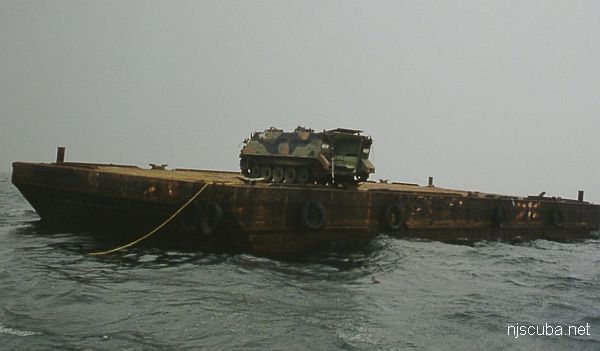
- Type:
- artificial reef, barge
- Specs:
- ( 106 x 36 ft )
- Sponsor:
- Penn Reels
- Sunk:
- Wednesday June 21, 1995 - Garden State North Artificial Reef
- GPS:
- 39°37.628' -74°01.643'
- Depth:
- 80 ft
More: Weeks barge ...
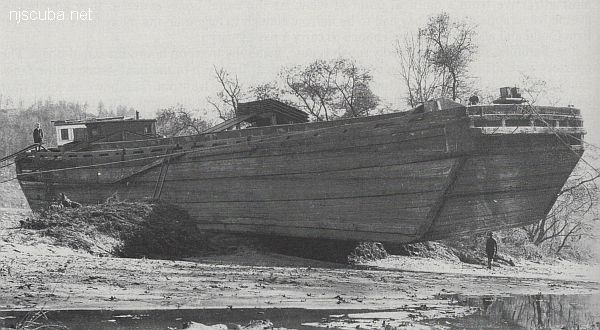
A barge is a vessel that does not have its own means of propulsion ( usually. ) Barges are towed or pushed from place to place by tugboats, or anchored in place to serve as temporary work platforms, floating docks, or storage. Some barges are self-propelled, in a limited way. These are known as scows, and their limited propulsive power restricts them to protected waters without the assistance of a tugboat.
More: Barge ...
More: Weeks barge ...
The Diggs was engaged in a salvage operation at the time of her loss and actually settled on top of another shipwreck, of unknown origin. The green blinker buoy for which it is known was removed after the wooden wreck was demolished in the 1970s. Also known as the "Green Blinker Wreck".
More: William B. Diggs ...
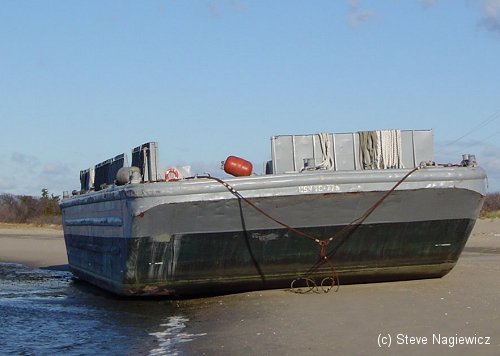
More: YC-1479 ...
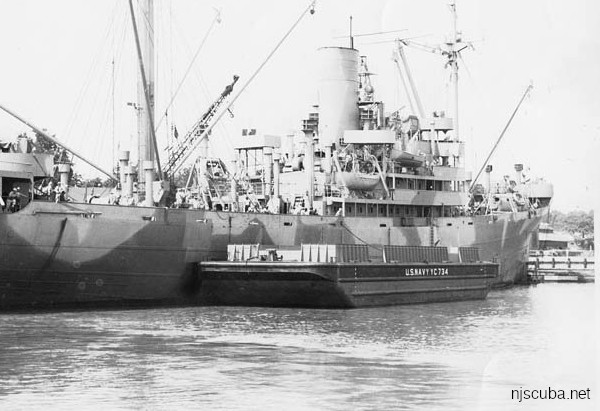
More: YC-725 ...
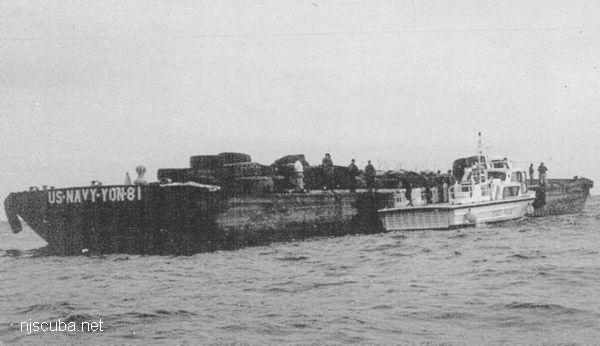
More: YON-80 ...
ASSOCIATED PEST
July 25, 2004

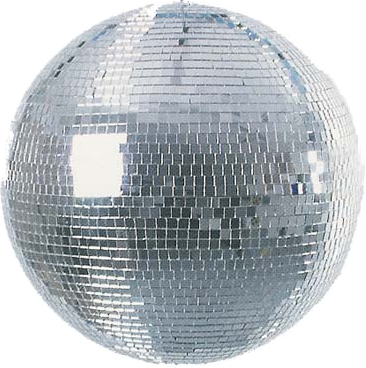
Deep Sea Defectives is proud to announce the recovery of the Andrea Doria's disco ball. World-famous deep-sea scuba diver John Chatterbox found the ball after mining hidden nuggets from blueprints and records of the vessel to determine its most likely location. He then did a hazardous penetration deep into the bowels of the wreck, which is lying on its side in crazy deep lotta water.
Right: Chatterbox "gets down" with some hot wreck-diving moves
More: Disco Ball ...