
Tamaroa WMEC-166
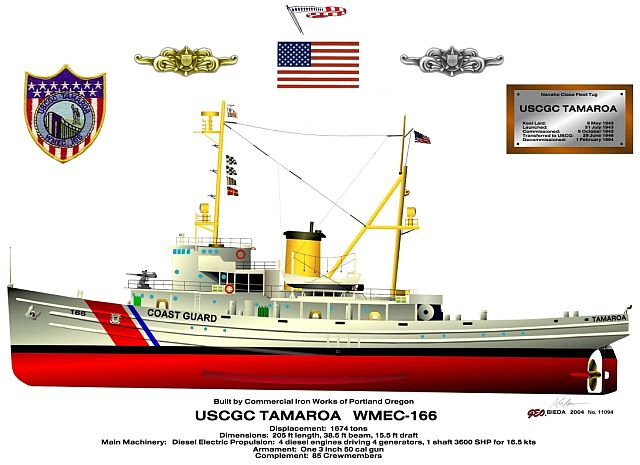
- Type:
- artificial reef, fleet tugboat, cutter
- Built:
- 1943, Commercial Iron Works, Portland, OR, as USS Zuni AT-95
- Specs:
- ( 205 x 38 ft ) 1,235 tons (light)
- Sunk:
- Wednesday, May 10, 2017 - DelJerseyLand Artificial Reef
- GPS:
- 38°31.144' -74°30.747'
- Depth:
- 125 ft
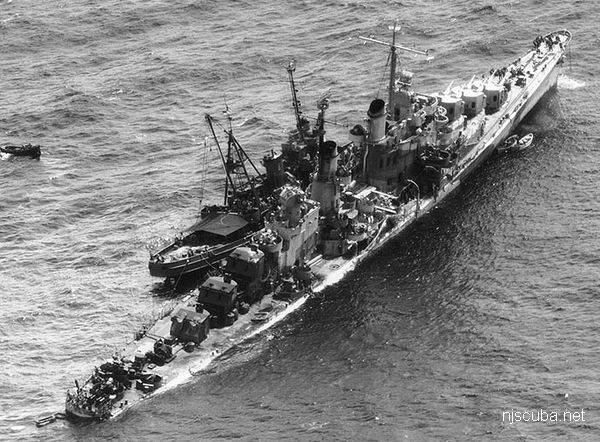
Tamaroa was originally US Navy fleet tug Zuni, AT-95 ( Attack Tugboat? ) A fleet tug is a fully ocean-going vessel with the speed and range to go with the fleet wherever that takes it. For Zuni, that was the South Pacific, where she served in operations in the Marianas - Saipan and Guam, the Philipines and China, Caroline Islands - Palau and Peleliu, and Iwo Jima.
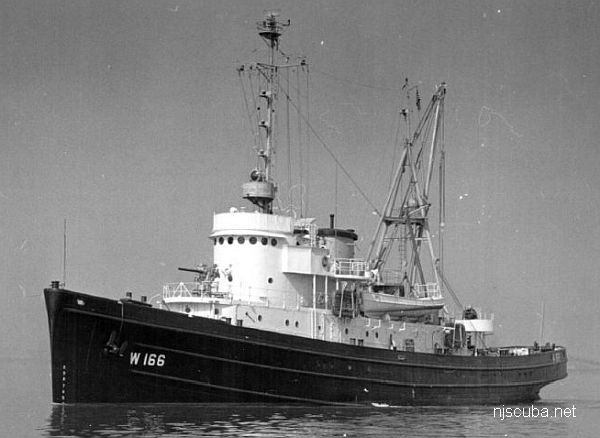
USS Zuni was transferred to the Coast Guard in 1946, becoming USCGC Tamaroa WAT-166, later WMEC-166, a Medium Endurance Cutter. She served on the East Coast until 1994 and was a central figure in the book and movie "The Perfect Storm" ( although another vessel played her in the movie. )
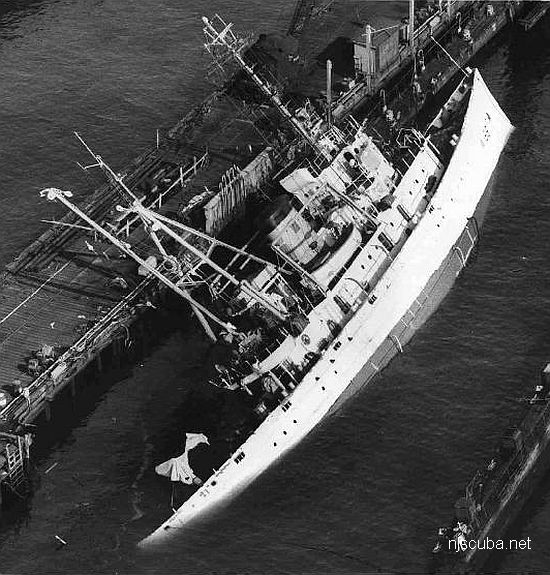
Efforts in Portsmouth VA to preserve the Tamaroa as a museum ship were well underway in 2012 when a leak in the engine room sank her, causing a collapsed bulkhead as well. More leaks and were found, and the effort had to be abandoned - the old hull had deteriorated beyond any reasonable repair. It was decided to use the famous ship as an artificial reef rather than scrap it outright.
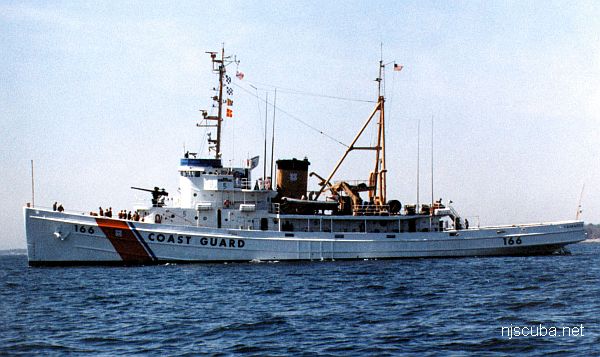
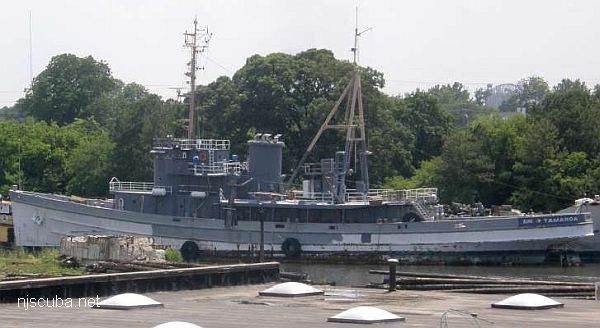
Note that the 3" deck gun is gone
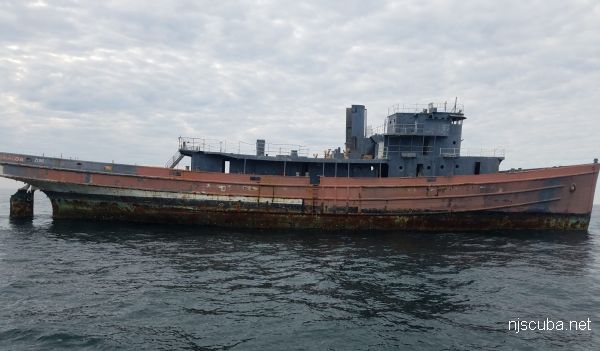
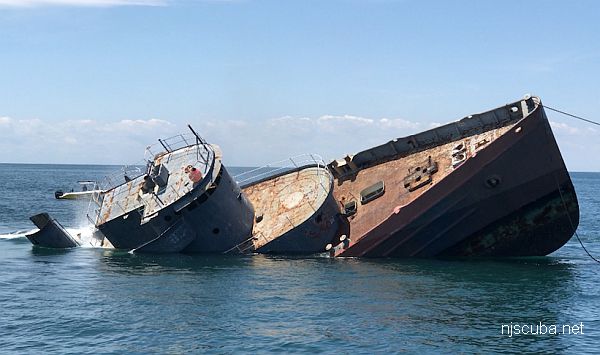
Artificial Reef Sites, Artificial Reefs, Coast Guard Artificial Reefs, Delaware Artificial Reef Sites, Delaware Artificial Reefs, DelJerseyLand Artificial Reef Inshore, Military Reefs, Tugboats,
DelJerseyLand Inshore Artificial Reef
26 Nautical Miles from Indian River Inlet, 1.51 sq miles
Depth: 120-140 ft [download]
More: DelJerseyLand Artificial Reefs ...
Cape May Chart
- 44009 Weather Buoy
- Absecon Inlet
- USS Akron
- Alex Gibson
- Alexander
- Almirante
- American
- Astra
- Atlantus
- Azua
- Dorothy B Barrett
- Brigantine Beach Wreck
- USS Blenny
- boiler wreck
- Brian C
- Brigantine Inlet
- Brigantine Buoy Wreck
- Charles Morand
- Cape May Inlet
- Cassandra
- Cayru
- Champion
- USS Cherokee
- China Wreck
- City of Athens
- City of Georgetown
- Clermont
- Corson’s Inlet
- William B Diggs
- dredge
- Admiral DuPont
- Elizabeth Warren
- Evening Star
- car float
- Florida
- Galimore's Cayru
- Gory Wreck
- Great Egg Inlet
- Gypsum Prince
- Hereford Inlet
- Hornet
- Hvoslef
- India Arrow
- Indian River Inlet
- USS Jacob Jones
- John Marvin
- China Junk Wreck
- Kennebec
- King Cobra
- Lemuel Burrows
- Lake Frampton
- Lady Mary
- Linda Snow II
- Marine Electric
- Miraflores
- Misty Blue
- Mohawk
- Montgomery
- USS Moonstone
- EF Moran
- Northern Pacific
- Nuphar
- Oklahoma
- Patrice McAllister
- Pet Wreck
- Poseidon
- Ranald
- RJ Walker
- Southern Lillian
- USS S-5
- Salem
- Salem
- San Jose
- Sea Girt
- Shookus
- Sindia
- Slabs
- General Slocum
- Southern Sword
- Townsend's Inlet
- Varanger
- Wayne
- Wily Fox
- YP-387
More: Cape May Dive Sites Chart ...

The United States Coast Guard has donated a number of vessels as artificial reefs over the years. They seem to be sensitive about having their vessels shown in a "bad" way, and typically paint out all the markings before turning them over.
More: Coast Guard Artificial Reefs ...
William Clewes:
March 15, 2026 at 5:11 pm
I was a contractor who work with Tamaroa. Designed, built and installed the new propulsion control system. Project started about 1985 ship was at Governors Island and concluded in 1986 at New Castle. I recall the trip from Curtiss Bay to New Castle via the C&D canal. A very enjoyable ride home.
My very fond memories of Tamaroa are the entire crew was a family, worked together and made it happen.
John Fargo:
March 5, 2022 at 12:38 pm
I served aboard the CGC Tamaroa from 1983-1986 and I was wondering if anyone has taken any pictures of her since her reefing and if so, where would I be able to see them?
Thank you.