
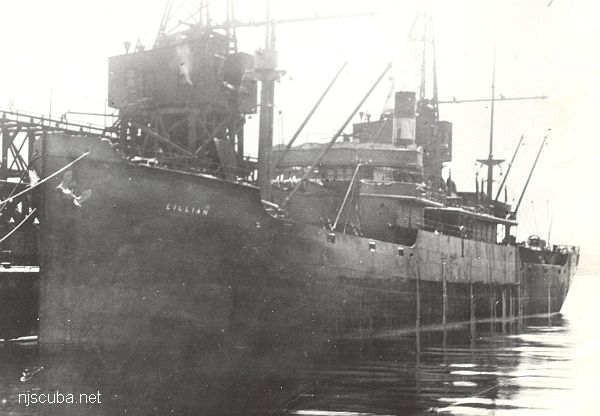
Lillian (1/2)

Freighter Lillian
Type:
shipwreck, freighter, USA
Built:
1920, Bethlehem Wilmington, Wilmington DE USA, as Maddequet
Specs:
( 327 x 46 ft ) 3482 gross tons, 32 crew
Sunk:
Sunday February 26, 1939
collision with freighter Wiegand ( 6568 tons) - no casualties
Depth:
150 ft

Most of the wreck has collapsed, with the exception of the bow, which is festooned with fishing nets. She is relatively deep and far from shore and is dived infrequently. Visibility is generally pretty good, and the Lillian routinely gives up some big lobsters.
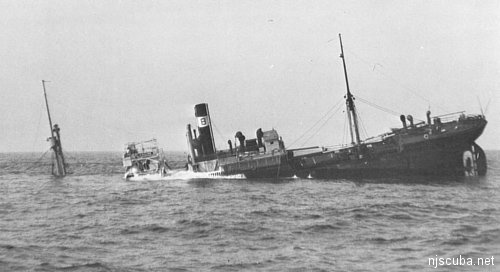
Freighter Lillian sinking

The Lillian's wireless operator locked down the telegraph key on his set, causing the slowly-sinking ship to send out a steady screech on the radio until the Coast Guard finally shot off the aerial.

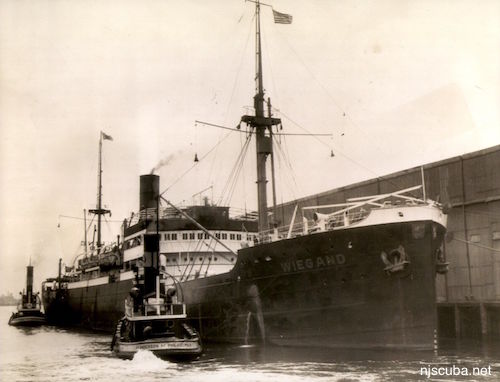
Freighter Lillian - New York Times
Freighter Wiegand
Wiegand, flying a courtesy American flag in port
 1 2  

Comments on Lillian

Questions or Inquiries?

Just want to say Hello? Sign the .

Submit a Comment

Your email address will not be published. Required fields are marked *


Click image to replace if unable to read.

Enter the digits from the image above, except for the last one:

This site uses Akismet to reduce spam. Learn how your comment data is processed.


net
slurp gun

A different sort of hunting is "bring 'em home alive". An aquarium can be a fascinating way to observe and photograph marine life, especially when the weather or season is not conducive to diving. Freshwater aquariums are easier to set up and maintain, especially for the novice, and a number of the local species of Sunfish are as attractive as anything you can buy in a store.

Butterfly Fish

Marine aquariums are more difficult but offer many more possibilities in what you can keep - the marine environment contains many types of invertebrates and fishes that are simply not present in freshwater, such as horseshoe crabs, starfish, anemones, urchins, and many more. Many of these creatures can simply be picked up at low tide. When collecting stinging creatures such as anemones, keep them in strict solitary confinement during transport, or they will sting everything else to death, including each other. Once established in an aquarium, they are not usually a problem, as the other critters quickly learn to stay away.