Freighters (5/5)

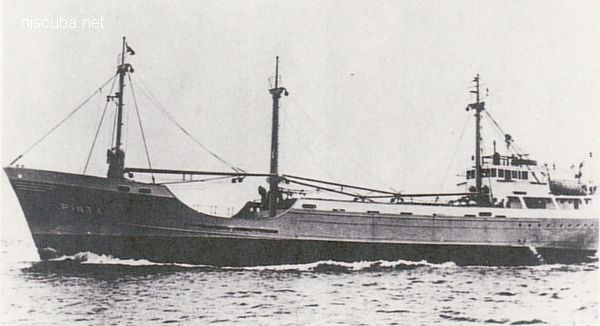
Pinta

A cargo ship or freighter is any sort of ship that carries goods and materials from one port to another. Thousands of cargo carriers ply the world's seas and oceans each year; they handle the bulk of international trade. Cargo ships are usually specially designed for the task, being equipped with cranes and other mechanisms to load and unload, and come in all sizes. Specialized types of cargo vessels include container ships and bulk carriers. ( Tankers and supertankers are also cargo ships, although they are habitually thought of as a separate category. )

 1 2 3 4 5  

USS Algol reef
The Algol just prior to sinking, November 1991.
Type:
artificial reef, Andromeda class attack transport ( freighter ), U.S. Navy, also known as a "Victory Ship", although often incorrectly referred to as a Liberty Ship
Name:
One of a series of Navy transports named for stars;
Algol is a star in the constellation Perseus, also known as the Demon star.
Built:
1943, Moore Drydock, Oakland CA USA, as James Barnes
Specs:
( 459 x 63 ft ) 13910 displacement tons, 429 crew *
* this figure almost certainly includes embarked Marines
Sponsor:
Federal Aid in Sportfish Restoration
Sunk:
Thursday November 22, 1991 - Sea Girt Artificial Reef
GPS:
40°06.545' -73°41.450'
Depth:
145 ft +, starts at 70 ft, main deck at 110 ft

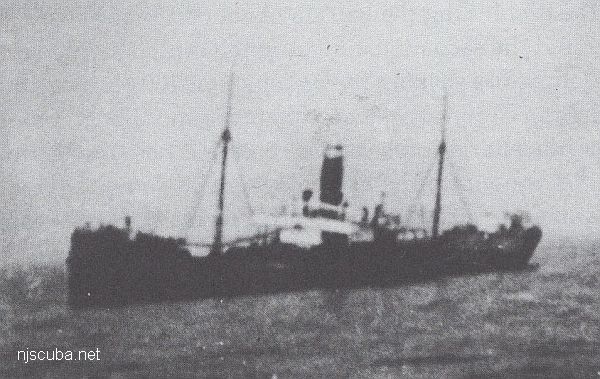
Shipwreck Winneconne
Type:
shipwreck, freighter, USA
Name:
Named for a town in eastern Wisconsin?
Built:
1907, England, as Hogland
Specs:
( 271 x 39 ft ) 1869 gross tons
Sunk:
Sunday June 2, 1918
bombed by U-151 - no casualties
Depth:
220 ft

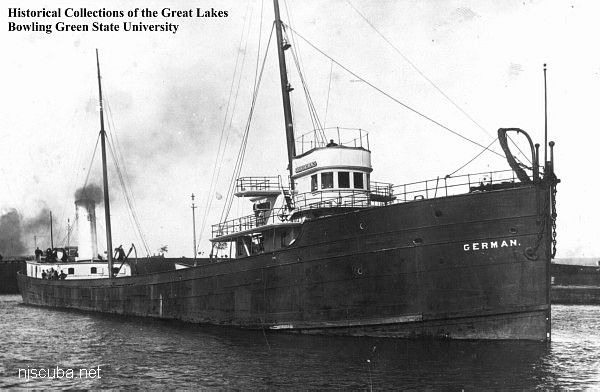
Shipwreck Yankee
Type:
shipwreck, Great Lakes freighter, USA
Built:
1890, AmShip Cleveland, Cleveland OH USA, as German
Specs:
( 296 x 40 ft ) 2418 gross tons, 30 passengers & crew
Sunk:
Wednesday June 11, 1919
collision with liner Argentina - no casualties
Depth:
110 ft

Freighters

 1 2 3 4 5  

The heavyweight cold-water wetsuit is probably responsible for the premature demise of more nascent diving careers than any other factor. These awful things are simply uncomfortable and ineffective. For all the stiffness, squeezing, bulk, and extra weight of 5-7mm wetsuit, in the end, it really doesn't keep you warm, and most cold-water wetsuit divers are pretty miserable creatures. I have seen the constriction and topside overheating of one of these things make its poor wearer sick on dry land, never mind on a boat out at sea.

manual

For an excellent guide to drysuit use, pick up a copy of DUI's drysuit owner's manual, available at most dealers for under $10.

Or just download it.

The argument that heavy cold-water wetsuits are easier to use is patently false. A wetsuit has a mind of its own and will make wide depth-dependant swings in buoyancy over which the wearer has no control. How is that better than a drysuit, which the user can consciously trim for constant buoyancy during the descent, and which semi-automatically trims itself during ascent?