
Huntington Artificial Reef

Huntington Artificial Reef

1.16 nautical miles northeast of Lloyd Point, 0.08 sq miles
Depth: 47 to 53 feet

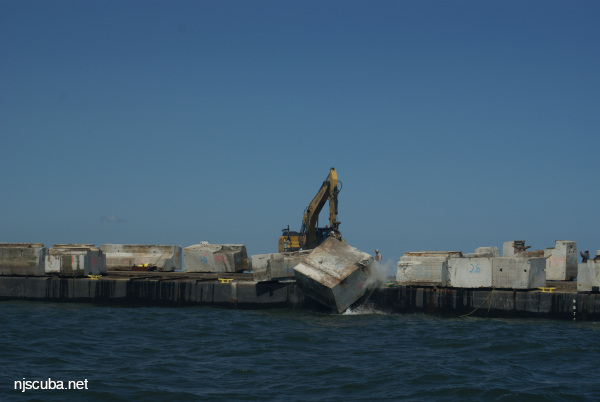
This is a new reef for 2024. Also known as Oyster Point Artificial Reef. So far just concrete blocks and forms, no vessels.
Huntington Artificial Reef


rock reef
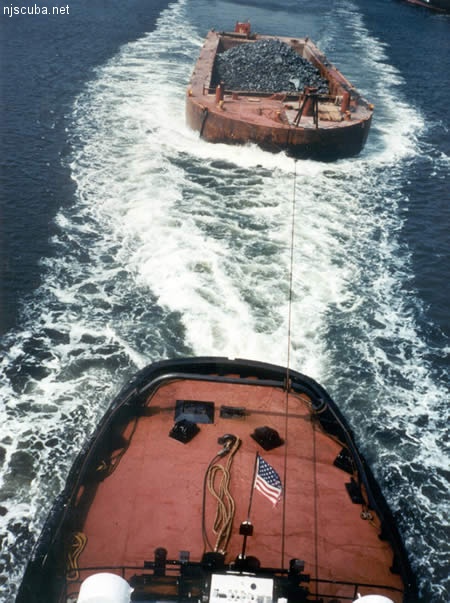
A hopper barge full of rock

All manner of concrete, steel, and stone rubble from dredging, demolition projects, and other construction is used as artificial reef materials. This material is generally available at very low cost or free from construction companies who are more than happy to get rid of it. Transportation costs determine where this material is used by the Reef Program.


Comments on Huntington Reef

Questions or Inquiries?

Just want to say Hello? Sign the .

Submit a Comment

Your email address will not be published. Required fields are marked *


Click image to replace if unable to read.

Enter the digits from the image above, except for the last one:

This site uses Akismet to reduce spam. Learn how your comment data is processed.


Hydroids

Masses of hydroids adorn many of the offshore wrecks, mixed in with anemones, sponges, mussels, coral, and algae. Hydroids are the most primitive Cnidarians, closely related to Hydromedusae, and display the most even split between the sessile polyp stages and free-swimming medusa stages, which are quite small and common.

The common Pink-Hearted Hydroid Tubularia spp generally grows in rounded tufts up to 6" across. Siphonophores are free-living hydroids that are often highly venomous, although most attached forms are harmless to humans.