December 2, 2021
Dutch Springs - The End of an Era
December 2, 2021

Don't know how I missed this, but back in August, Stu retired and sold Dutch Springs to a developer who plans to put two warehouses on the property:
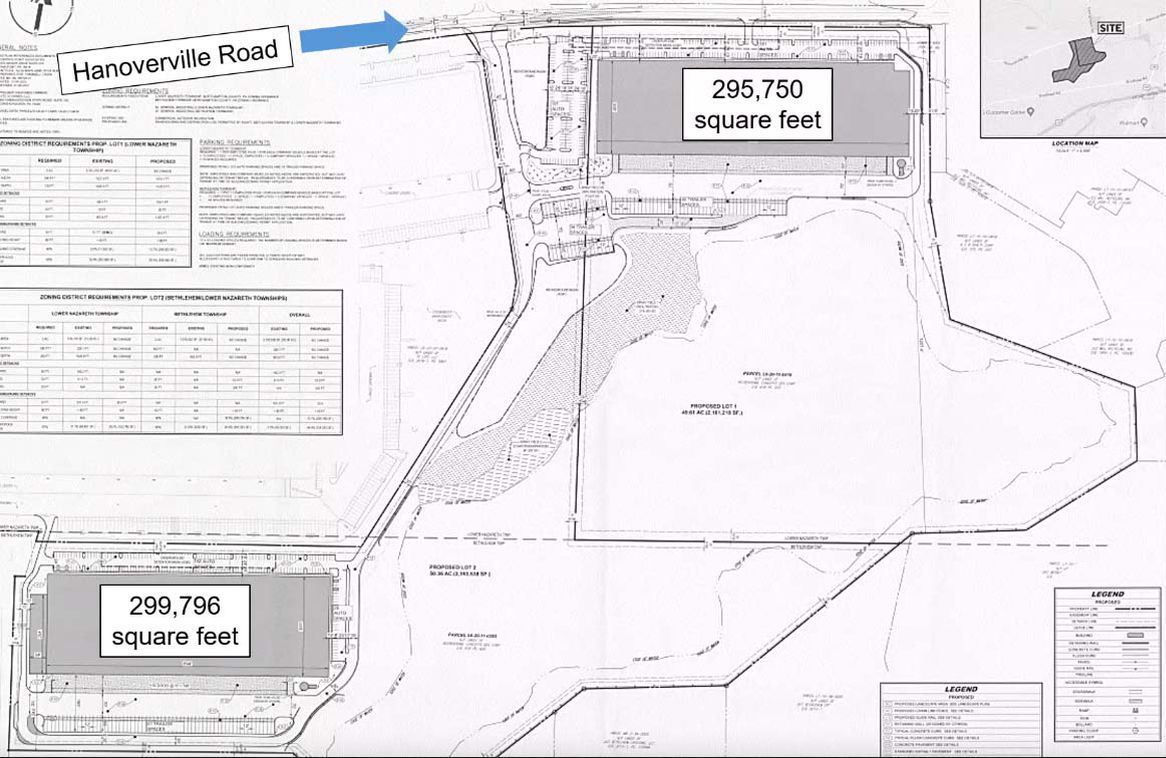
As you can see, one warehouse fills the small wooded area (lower-left) that was basically unused, while the other obliterates the entire area between the quarry and the road. This leaves no room for parking or facilities. The property is approximately 95 acres, but more than half of that is water.
Sad, but Stu built the place and ran it for 40 years, and he has a right to retire. As we all know, anything having to do with diving brings insurance into the mix, and thus far no other solution has been found.
The quarry will be fenced-off, and Dutch Springs will enter the history books.
Zoom-out the map above - the entire area has become blighted with warehouses.
What I don't understand is why the cement plant doesn't get re-developed. My guess is that site is so contaminated that no one can touch it.
I think thousands of divers owe Stu and Jane a big Thank you! for all they've done for the diving community. Nothing lasts forever.
For those who want one last dive at Dutch, you might be able to get one in on December 31 for New Year's Eve.
Uncategorized, 12/2/21
Dutch Springs has new owners and a new name. The aqua park is gone, but here’s when divers might return to popular quarry
By Anthony Salamone
The Morning Call
Lehigh Valley News
Jul 27, 2022
(Michael Turek/The New York Times)
Nearly a year after news leaked about its potential sale for warehousing, the Dutch Springs quarry has new owners and a new name.
Former Northampton County Council member Kenneth Kraft and Jim Folk have bought the water-filled quarry from Trammell Crow Co., which acquired most of the land off Hanoverville Road in Northampton County to develop two warehouses. Financial terms were not disclosed.
More: Hope for Dutch Springs ...
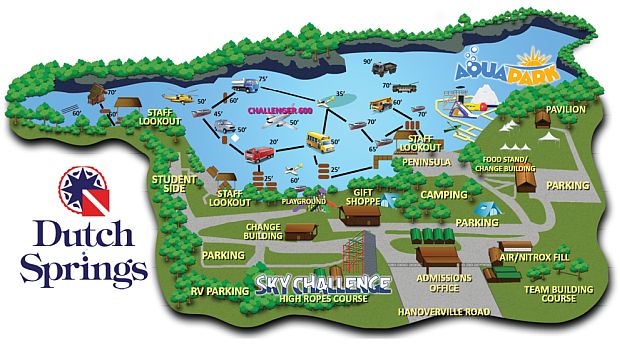
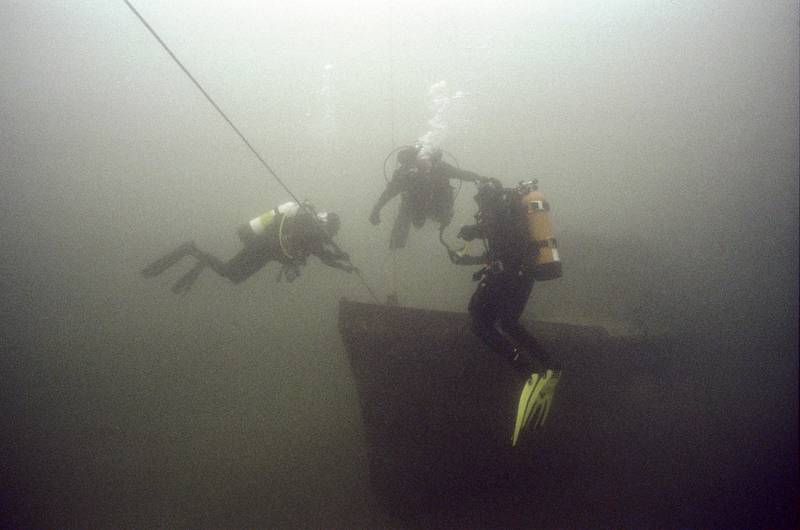
Although all of the land-side facilities have been demolished to make room for warehouses, the quarry itself is still open in a limited way - training dives only.
More: Dutch Springs (Lake Hydra) ...
There aren't too many options for freshwater diving around here. That's not to say that you can't try jumping into any body of water you find, but most of them are likely to be pretty awful, and a few could get you arrested. Two good freshwater dives in the region are Round Valley Reservoir and the Delaware River Water Gap. Some diving is also done in Lake Hopatcong, although access is a problem.
More: Freshwater Dive Sites ...