
Requirements

2020:

The site is now designed to display well on anything from a cell phone to a billboard.

2018:

This site is designed to work on all devices from smartphones to desktops. However, it does require a modern browser that fully supports html5, and tests and rejects those that do not. As most systems update themselves nowadays, this is not a big issue, unless you are still running Windows95. Which browser you use does not matter. The site renders and works the same in all of them, as long as they are up-to-date.

guaranteed

All complaints should be directed here.

Your Browser:

Mozilla/5.0 (Windows NT 10.0; Win64; x64) AppleWebKit/537.36 (KHTML, like Gecko) Chrome/86.0.4240.183 Safari/537.36

Your Browser Capabilities:

cubist

This is my goal for the next redesign of NJScuba.net.
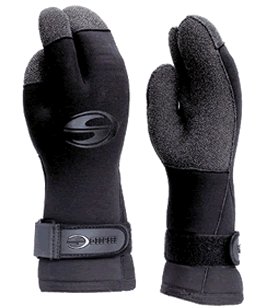

mitts

Diving gloves should be close-fitting, with long, gusseted, zippered, or Velcro gauntlets that overlap your suit sleeves. This is especially important with a drysuit, since the glove will protect the delicate wrist seal on the suit. Thin tropical gloves are of very limited use in the north - your gloves should be at least 5mm thick. Three-fingered mitts are much warmer than five-fingered gloves and are really not much clumsier. They are also much easier to get on and off, which makes me wonder why so few people use them. A little spray soap will make any glove easier to get on.

A hood is critical for maintaining warmth in the water. A good hood will be as close-fitting as possible, and have a generous collar for tucking into your wetsuit, thin skin-in seal around the face, and baffled vents in the top to release bubbles. A neck skirt is much less necessary with a drysuit, but it is a simple matter to cut one off if you don't like it. A neoprene cold-water hood should be at least 5-6mm thick.

The face-hole of a hood should be as small as possible - there is no reason to expose any skin here. The face seal of the hood should overlap your mask skirt, with just barely enough room below for your regulator. You can always trim out a too-small face-hole, but a too-big one pretty much negates any other good qualities a hood may have. Ideally, with mask and hood on, you should expose a small patch on each cheek, and no more.