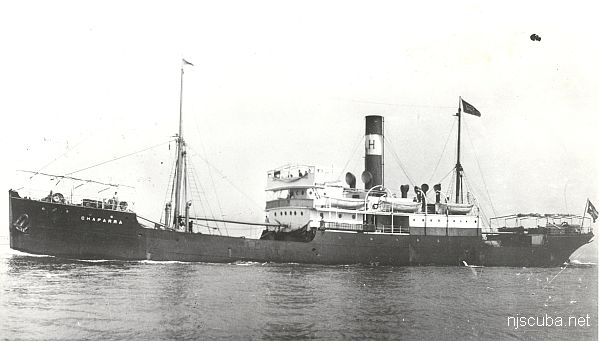
Chaparra

Shipwreck Chaparra
Type:
shipwreck, freighter, Cuba
Name:
a seaport in northeastern Cuba
also Spanish for "cowboy" or slang for "shorty"
Built:
1906, Scotland, as Tinhow
Specs:
( 249 x 38 ft ) 1510 gross tons, 29 crew
Sunk:
Sunday October 27, 1918
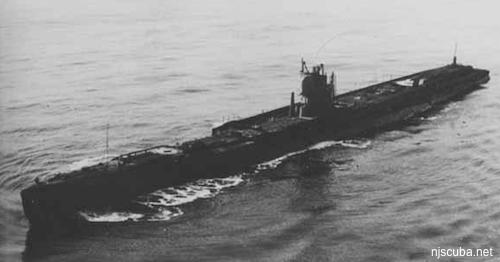
struck mine laid by U-117 - 6 casualties
Depth:
80 ft

Today the Chaparra lies in 80 ft of water on a sandy bottom. Her hull lies on its port side, and is flattened out. The bow offers the most relief off the bottom. Her boilers and engine are still visible, some portions covered by large hull plates. She is generally a good lobster wreck. Artifacts can still be found, digging is usually needed. She is sometimes called the Offshore Barge. A mine from the U-117 also sank the San Saba.
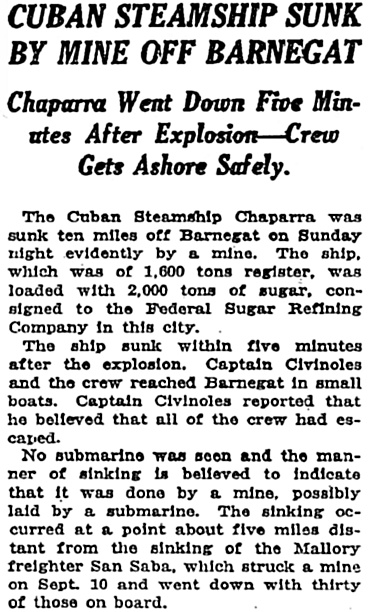
Chaparra
U-117
U-117, sunk as a target 1921

Comments on Chaparra

Questions or Inquiries?

Just want to say Hello? Sign the .

Submit a Comment

Your email address will not be published. Required fields are marked *


Click image to replace if unable to read.

Enter the digits from the image above, except for the last one:

This site uses Akismet to reduce spam. Learn how your comment data is processed.


net
slurp gun

A different sort of hunting is "bring 'em home alive". An aquarium can be a fascinating way to observe and photograph marine life, especially when the weather or season is not conducive to diving. Freshwater aquariums are easier to set up and maintain, especially for the novice, and a number of the local species of Sunfish are as attractive as anything you can buy in a store.

Butterfly Fish

Marine aquariums are more difficult but offer many more possibilities in what you can keep - the marine environment contains many types of invertebrates and fishes that are simply not present in freshwater, such as horseshoe crabs, starfish, anemones, urchins, and many more. Many of these creatures can simply be picked up at low tide. When collecting stinging creatures such as anemones, keep them in strict solitary confinement during transport, or they will sting everything else to death, including each other. Once established in an aquarium, they are not usually a problem, as the other critters quickly learn to stay away.