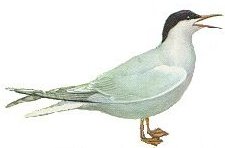
Common Tern

Common Tern

Terns are smaller and more graceful in flight than gulls. The Common Tern Sterna hirundo (right) grows to 14", wingspan 31". Their forked tails make it easy to differentiate terns from Laughing Gulls, which also have black heads.

Terns are found in the same habitats as gulls, that is to say, just about anywhere near water. Their call is a common sound along waterfronts everywhere.
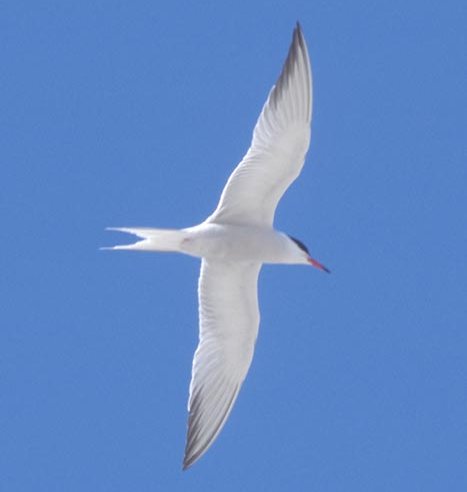
Common Tern

Dump Sites

For most of mankind's history, the world's oceans have been used as refuse dumps. Everything from sewage to everyday trash to medical, industrial, and chemical waste has been disposed of in the ocean, or in rivers that flow out to the ocean. In the vicinity of a major urban area like New York, you can bet there has been a lot of waste and dredge dumping, and much of it at sites that are alarmingly close to shore. All ocean dumping was finally banned by the EPA in 1988 after some massive fish kills, but not before many seafloor habitats were contaminated if not outright destroyed. The two major ocean dumping sites that have served the New York area since the mid-1800s are the 12 Mile Dumping Ground and the Mud Dump. Old dump sites are marked on the charts as orange areas.