
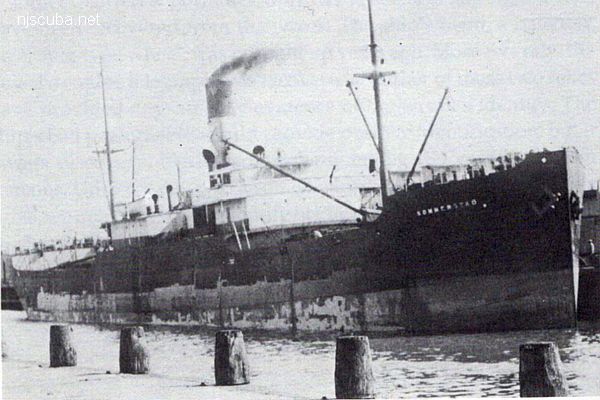
Sommerstad

Shipwreck Sommerstad
Type:
shipwreck, freighter, England
Built:
1906, England
Specs:
( 340 x 47 ft ) 3875 gross tons, 31 crew
Sunk:
Monday August 12, 1918
torpedoed by U-117 - no casualties
Depth:
180 ft

SS Sommerstad, built by R. Stephenson & Co Ltd, Newcastle in 1906 and owned at the time of her loss by Klaveness Dampskibsselsk. A/S (A. F. Klaveness & Co.), Sandefjord, was a Norwegian steamer of 3875 tons.

On August 12th, 1918, Sommerstad, on a voyage from Bergen to New York in ballast, was sunk by the German submarine U-117 (Otto Dröscher), 30 miles southeast of the Fire Island lightship, New York.
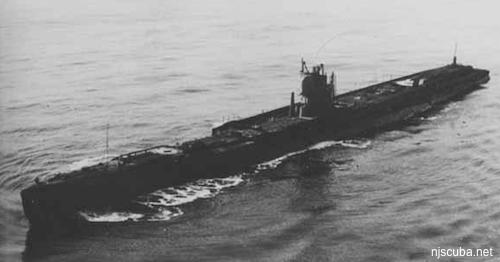
U-117
U-117, sunk as a target 1921

Comments on Sommerstad

Questions or Inquiries?

Just want to say Hello? Sign the .

Submit a Comment

Your email address will not be published. Required fields are marked *


Click image to replace if unable to read.

Enter the digits from the image above, except for the last one:

This site uses Akismet to reduce spam. Learn how your comment data is processed.


bug
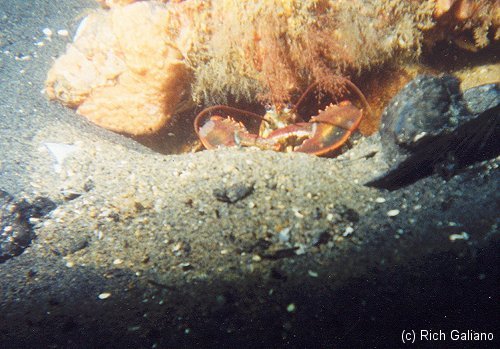
This little guy will be safe from divers for a while. Notice how the tailings of his excavation are a different color than the surrounding bottom.

Lobsters, like most invertebrates, have a much slower nervous system than our own. In tiny creatures, such as insects, this is no great disadvantage, since their "wire runs" ( or nerves ) are so short. However, in bigger invertebrates, this translates into very long reaction times. Therefore, big lobsters have slow reflexes, much slower than even humans. Another common invertebrate trait is a lack of stamina, at least compared to us. In other words, they tire quickly in a chase. This is not to say that they lack tenacity - once they get a good grip on you, they can hold on forever, and even breaking the claw off may not cause it to release.