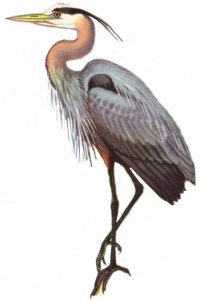
Great Blue Heron

Great Blue Heron

Ardea herodius

Size: 42-52"

Habitat: in and around water

Notes:
These large and majestic birds may be seen wading in the shallows, hunting fish and frogs. They are not as uncommon as you might think but watch from a distance as they do not like to be approached.
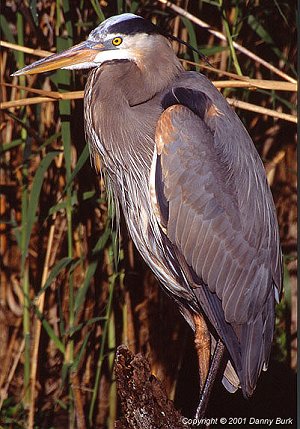


Great Blue Heron
Great Blue Heron

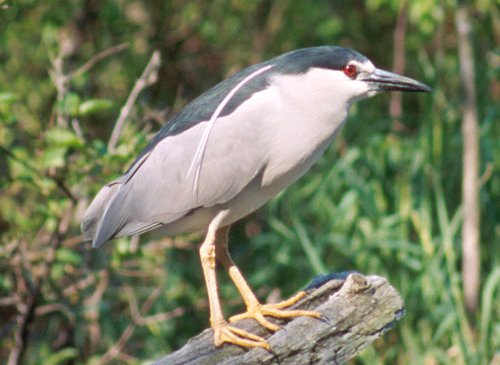
Similar but smaller all-white egrets are actually quite common. Night Herons, smaller and usually dark green or brown, prowl around boat docks and tidal flats in the dark.
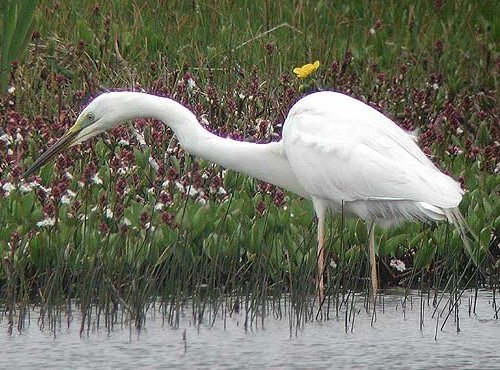
White Egret
White Egret
Night Heron
Night Heron ( the neck is long, but this is normally not evident. )

regulator

First stages come in several forms. Your main options are generally:

  • balanced or unbalanced
  • piston or diaphragm
  • sealed or unsealed

Manufacturers will try to make a big deal out of these and various other features. Here's what I think:

  • balanced or unbalanced - Today only the very cheapest regs are unbalanced designs. Breathing performance will suffer, and any reg that cheap will likely be deficient in other areas. There is no reason to buy an unbalanced first stage.
  • piston or diaphragm - This doesn't much matter, there are good designs that use both systems - worry about other things.
  • sealed or unsealed - This refers to whether or not water can enter the first stage. If water can enter, then so can sand and grit, which will inevitably cause a malfunction, probably while you are in the water. Also, for cold-water diving ( not ice diving, just cold water, say 45°F ), the water inside the first stage could actually freeze, with the same result. Do not buy an unsealed regulator for use around here. In fact, don't buy one, period. Sealed designs are generally more expensive to buy and maintain, but it is worth the extra cost. Some regulators ( Genesis, Sherwood ) accomplish the same effect without technically being sealed. This is just as good, maybe better, because the design is simpler.