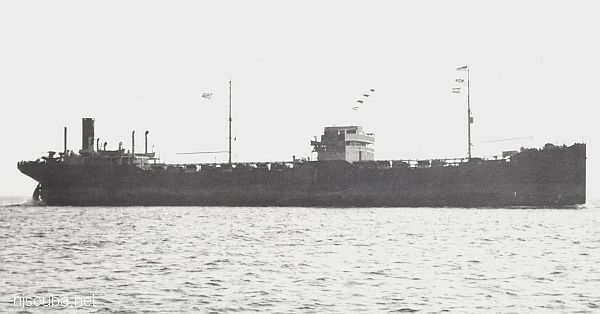
Treasure Wrecks
Treasure Wrecks
The following vessels all sank with valuable cargoes which have not been recovered. Or not.
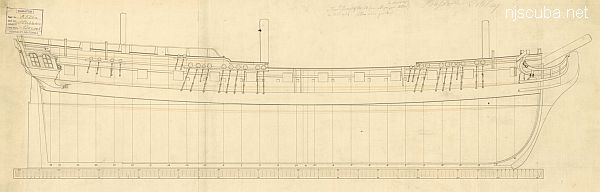
- Type:
- shipwreck, frigate ( Mermaid-class, 6th-rate ), British Royal Navy
- Name:
- Hussars were light cavalry units of the period, known for their colorful and showy uniforms.
- Built:
- 1763, England
- Specs:
- ( 124 x 33 ft ) 627 gross tons
- Sunk:
- Thursday November 23, 1780
struck a rock - unknown casualties, including prisoners - Depth:
- probably buried in the landfill under the police station near 135th Street
More: HMS Hussar ...
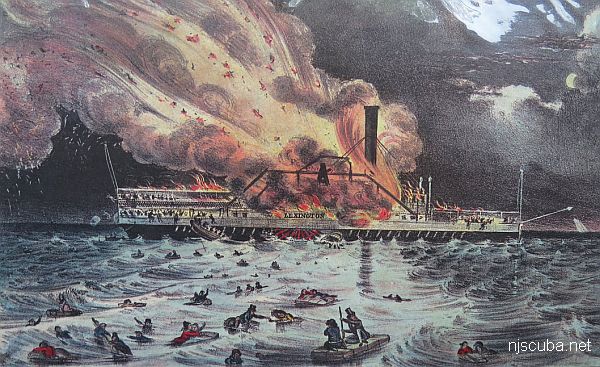
- Type:
- steamer, USA
- Built:
- 1835, Jeremiah Simonson, New York NY USA
- Specs:
- ( 207 x 21 ft ) 488 gross tons, 165 passengers & crew
- Sunk:
- Monday January 13, 1840
fire - 4 survivors - Depth:
- 125 ft - 150 ft
More: Lexington ...
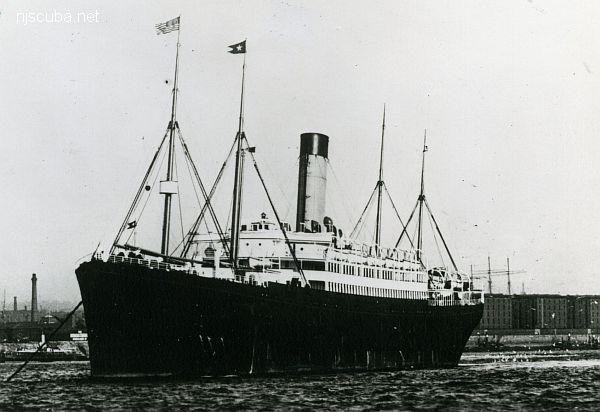
- Type:
- liner, White Star Line
- Name:
- One of the "-ic" series of White Star liners, which included such other ships as the Georgic, Olympic, and Titanic.
- Built:
- 1903, Ireland
- Specs:
- ( 570 x 68 ft ) 15378 gross tons
- Sunk:
- Sunday January 25, 1909
after collision with steamer Florida - 2 casualties - Depth:
- 240 ft
More: Republic ...
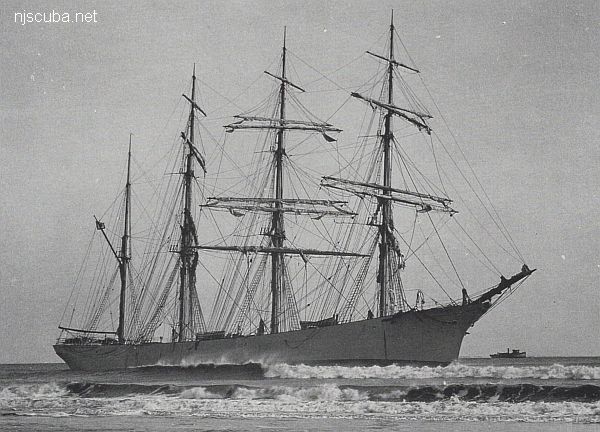
- Type:
- shipwreck, sailing ship, USA
- Built:
- 1887, Ireland
- Specs:
- ( 329 x 45 ft ) 3068 gross tons, 34 crew
- Sunk:
- Sunday December 15, 1901
ran aground in storm - no casualties - Depth:
- 0-5 ft depending on the tide
More: Sindia ...