
New Era
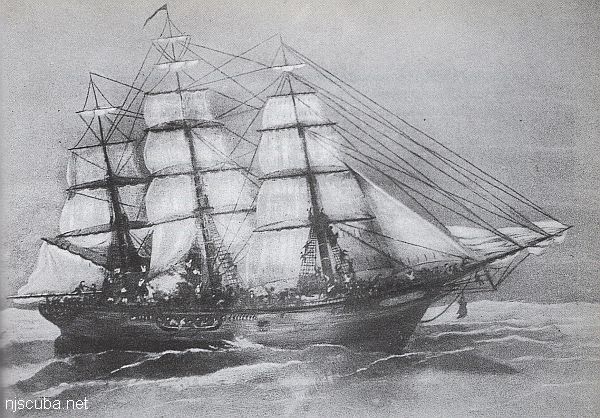
- Type:
- shipwreck, clipper, USA
- Specs:
- 1300 tons, ~500 passengers & crew
- Sunk:
- November 13, 1854; ran aground during storm - few survivors
Accounts vary, but most of this ship's immigrant passengers and crew died in the storm during the night and the next day after the grounding, just 100 yards off the beach. Bad weather had beset the entire voyage. An outbreak of cholera claimed 46 lives prior to the shipwreck. In the end, the captain got lost and thought he was off Long Island.
Several boats were put out from the stricken vessel to carry a rescue line to land, but in each case, the sailors dropped the line and saved themselves. Finally, a surf boat reached the New Era from the shore, at which point the captain and remaining crew abandoned the passengers to their fate. Several steamers stood by, unable to help. Volunteers massed on the beach but could do nothing until the storm abated. It was one of the biggest maritime disasters to date. Hundreds drowned, and bodies littered the coastline and were looted.
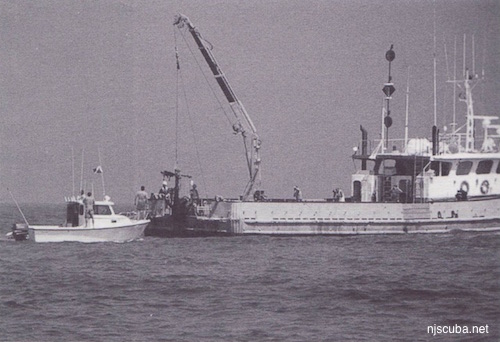
In 1999 the anchor was recovered and incorporated into a memorial. The rest of the wreck is buried off 6th Street, Asbury Park. Even by 1900, nothing could be found. Someday, a storm may dig it out.
New Era

Questions or Inquiries?
Just want to say Hello? Sign the .