
Birds

Here is an assortment of birds that might be observed in and around the water. Many of these are just as likely to be found around saltwater, just as many seabirds live happily around freshwater, and even no water.
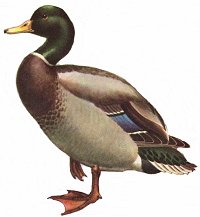
Anas platyrhinchos
Size: 20-28"
Habitat: in and around water
Notes:
There are many types of wild ducks, found worldwide in all freshwater and marine environments. The Mallard ( male shown ) is typical. Females are much drabber. Only domestic ducks are white.
More: Mallard Duck ...
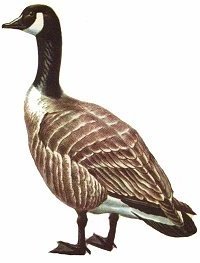
Branta canadensis
Size: 25-43"
Habitat: in and around water
Notes:
The cows of the avian world, geese are one of the only types of bird that eat grass. Their large size is necessary to carry all of the required digestive apparatus. Geese are supposed to migrate through our area, leaving only very small resident populations, but they have taken to our grassy parks and campuses so well that now huge populations live here year-round.
More: Canada Goose ...
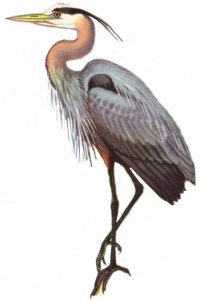
Ardea herodius
Size: 42-52"
Habitat: in and around water
Notes:
These large and majestic birds may be seen wading in the shallows, hunting fish and frogs. They are not as uncommon as you might think but watch from a distance as they do not like to be approached.
More: Great Blue Heron ...
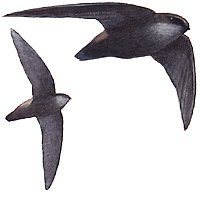
Chaetura pelagica
Size: 5"-6"
Habitat: anywhere
Notes:
These small songbirds get mentioned here only because they are so common around Dutch Springs. Look for their tail-less dark profiles and irregular, bat-like flight as they catch insects over the water. They probably nest in the abandoned factory nearby. Fork-tailed Barn Swallows are also common.
More: Chimney Swift ...
- Midwater Fishes ...
- Bottom Fishes ...
- Shellfish ...
- Insects ...
- Plants ...
- Reptiles & Amphibians ...
- Birds ...
- Freshwater Mammals ...
More: Freshwater ...
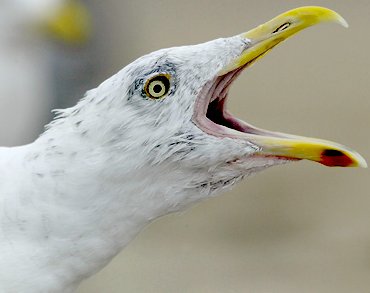
Most sea birds are strictly protected by law, and may not be approached or harassed.
More: Sea Birds ...