Freshwater Mammals
An assortment of mammals that might be observed in and around the water.
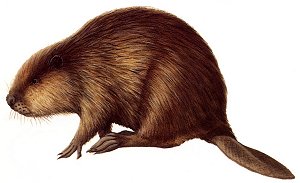
Castor canadensis
Size: 3-4 ft ( total length )
Habitat: in and around water
Notes:
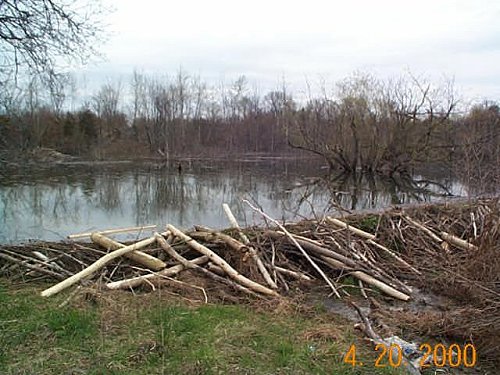
Famous for their dam-building habits, beavers were once a major ecological force in North America, reshaping a very large proportion of the land to suit themselves. Unfortunately for them, they also became a major economic force - much of the early exploration of the continent was done by fur trappers. Today, beavers are rare, and virtually non-existent in New Jersey, although there are a few colonies.
More: Beaver ...
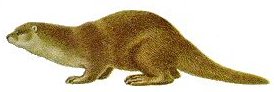
Lutra canadensis
Size: to 30" (body)
Habitat: in and around water
Notes:
River otters are shy but playful creatures that spend much of their time just splashing around. They don't like human encroachment and are uncommon nowadays.
More: River Otter ...
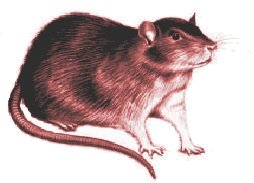
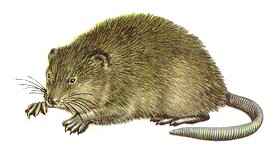
Rattus norvegicus
Size: 6-8" (body)
Habitat: everywhere
Notes:
Sorry to say, but rats are especially common around watery habitats and are excellent swimmers. They are particularly fond of beaches, marshes, ships, docks, and jetties. The next time you go diving at Shark River, take a careful look in the rocks and you will likely see one or two scampering around, dining on old fishing bait and washed-up detritus, even in broad daylight. The Norway Rat is introduced from the Old World, and in most areas today it is more common than the native Black Rat.
More: Norway Rat ...
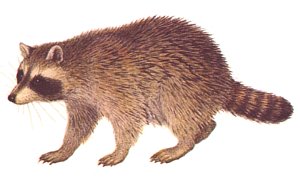
Procyon lotor
( literally: pre-dog washer )
Size: 3 ft ( total length )
Habitat: around water
Notes: Raccoons are not really aquatic. They like to live around water so that they can dunk their food. Maybe they're washing it, or maybe they just like wet food, but they will use any water that is handy - a birdbath, swimming pool, or dog dish will do in a pinch.
More: Raccoon ...