Lady Gertrude

Shipwreck Lady Gertrude
Type:
shipwreck, scallop dredge, USA
Built:
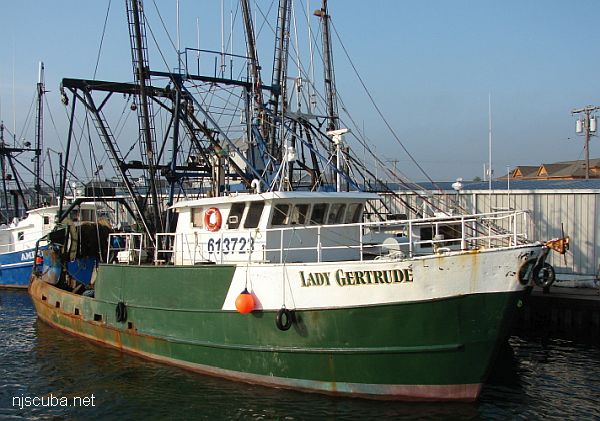
1979, St. Augustine Trawlers, St Augustine FL USA, as Corinne W
Specs:
( 72 x 26 ft ) 119 gross tons, 3 crew
Sunk:
Monday Aug 15, 2016, broken propeller shaft - no casualties
Depth:
135 ft
Shipwreck Lady Mary
Shipwreck Lady Mary
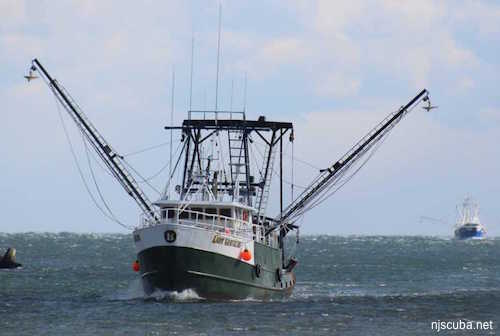
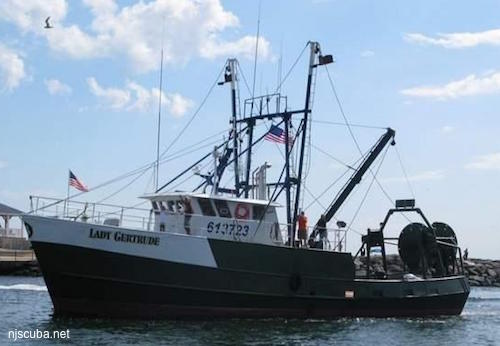
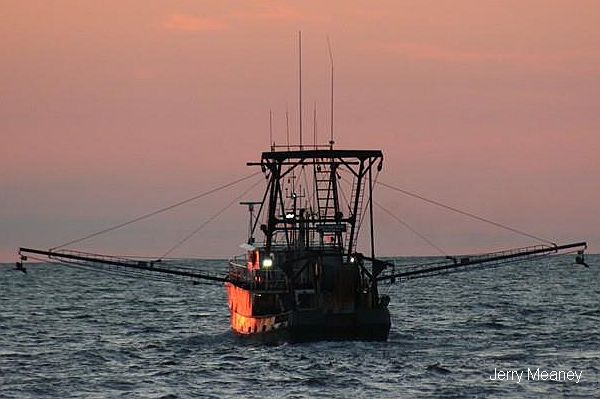
Lady Gertrude had not long ago joined the Point Pleasant fishing fleet, from Massachusetts.
Shipwreck Lady Mary
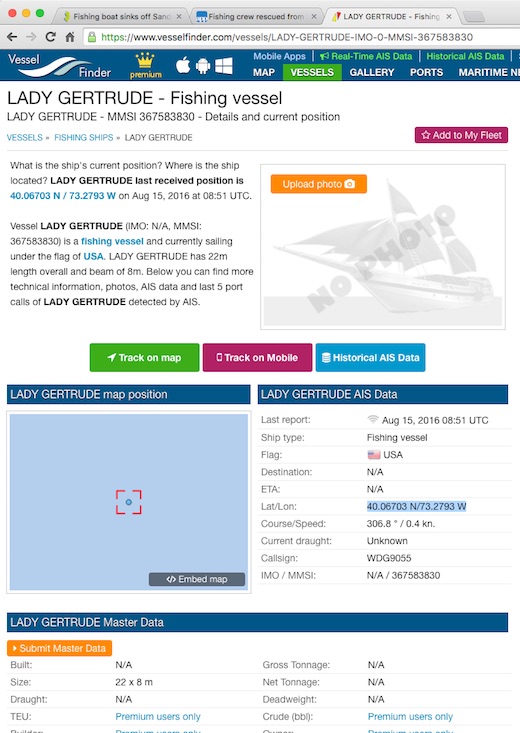
The final position report of the Lady Gertrude, within an hour of sinking.

The boat was running offshore towards scallop grounds near the Chicken Canyon, the deepest part of the Mud Hole, when the prop shaft broke. This caused the boat to flood, and about three hours later it capsized and sank. The crew abandoned ship and was picked up by another fishing vessel. As of fall 2017, the wreck was completely over on its port side, with the deck almost vertical.
613723

Comments on Lady Gertrude

Questions or Inquiries?

Just want to say Hello? Sign the .

Submit a Comment

Your email address will not be published. Required fields are marked *


Click image to replace if unable to read.

Enter the digits from the image above, except for the last one:

This site uses Akismet to reduce spam. Learn how your comment data is processed.


scallop dredge
Scallop

Scallop dredging is similar to clam dredging in that large metal rakes are dragged across the bottom. However, that is where the resemblance ends. Since scallops live on the surface, unlike buried clams, they can be harvested with much lighter-weight gear. A scallop rake is typically much smaller than a clam rake, consisting of a triangular frame with a chain-link catch-bag. No hydraulics are necessary. Such gear does not require as much towing power as for clamming. Since scallops are cleaned at sea as they are caught, and all the heavy shells discarded, there is also much less on-board storage requirement. Scallop boats can therefore be smaller than clam boats, and some are quite small indeed. In fact, the entire business model seems to be different, and it appears that a few small privately-owned operations persist to this day, in contrast to clamming, which is now dominated by a few corporate fleets.