Zebra Mussel
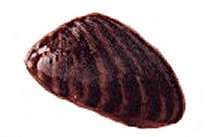
Dreissena polymorpha
Size: to 2"
Habitat: grows profusely on any solid surface
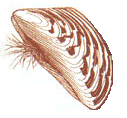
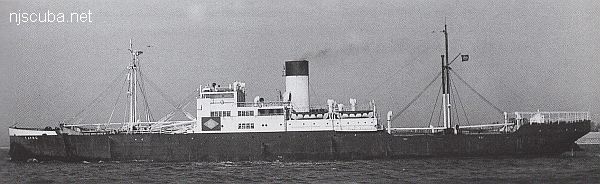
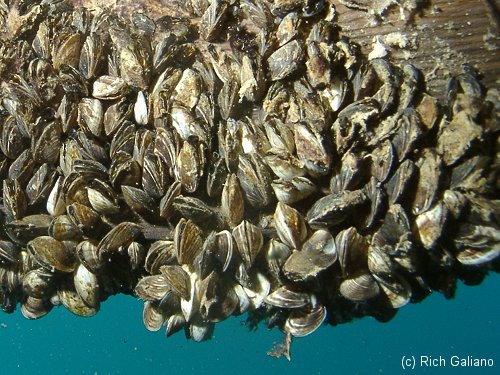
Notes: Zebra Mussels were introduced into the Great Lakes in the mid-eighties from the Caspian Sea region of Eurasia. They probably arrived as larvae in the ballast water of visiting ships. Since then, they have been having a regular party - spreading like wildfire and often covering every available hard surface, including each other. This wreaks havoc with power-plant cooling systems and municipal water supplies, where masses of the tiny bivalves clog pipes and water intakes. The mussels also radically alter the native lake ecology by efficiently filtering nutrients from the water. This does have one positive effect for divers, however. Apparently, the Great Lakes and surrounding waters have never been cleaner or clearer.
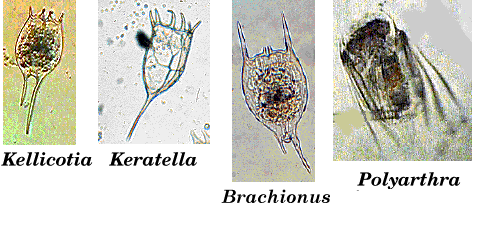
This page lumps together representatives from crustaceans and mollusks. Freshwater typically has lower diversity than the ocean. However, this is just a tiny sample of what may be found.
More: Shellfish ...