
Drums
Drums are so named for their ability to make drumming sounds with their swim bladder. Actually, many fishes are capable of making sounds, from squeaks to growls, although not all Drums can "drum". Kingfish lack a swim bladder but still vocalize by grinding their pharyngeal (throat) teeth.
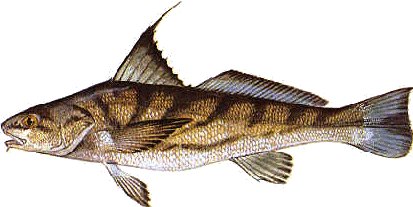
Menticirrhus saxatilis
Profile by
Heather Corbett
Assistant Fisheries Biologist
The Northern kingfish, Menticirrhus saxatilis, is popular with many saltwater anglers, and it's no wonder. These fish are known to put up a good fight, and their tasty, white meat is well worth the effort.
More: Northern Kingfish ...
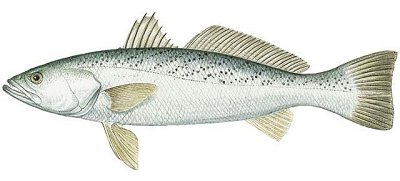
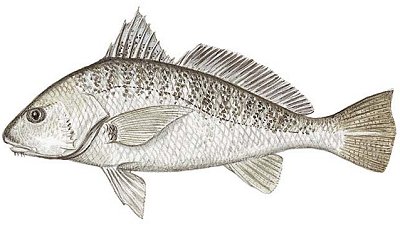
Micropogonias undulatus
Profile by John McClain, Principal Fisheries Biologist
The croaker is a member of the Sciaenidae, or drum family, which includes the black drum and weakfish. Their name comes from the sound they can make by vibrating their swim bladders.
More: Atlantic Croaker ...
- Sea Basses & Porgies ...
- Blackfish & Cunner ...
- Cods & Allies ...
- Triggers, Puffers, & Sunfish ...
- Flounders ...
- Drums ...
- Ocean Bottom ...
- Baitfishes ...
- River & Inlet ...
- Pelagics ...
- Tropical Fishes ...
- Sharks - Inshore ...
- Sharks - Offshore ...
- Sharks - Dogfishes ...
- Skates & Rays ...
More: Marine Fishes ...
Fish
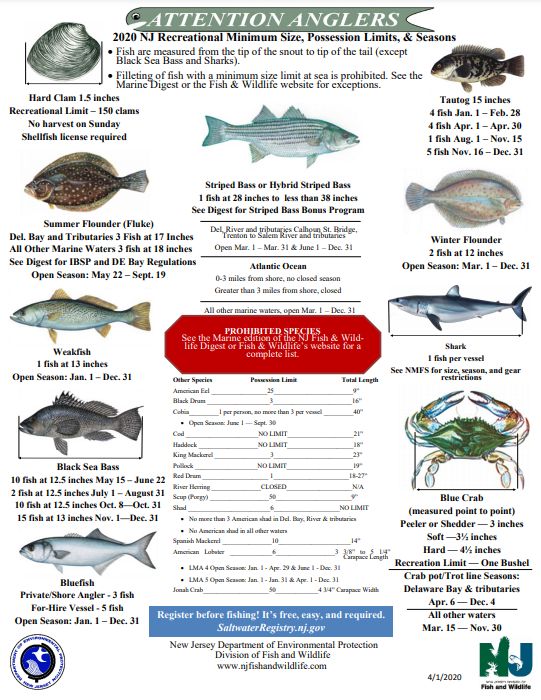
New Jersey now requires registration for saltwater fishing, including lobsters. Registration is free and can be done online at nj.gov/dep/saltwaterregistry.
This listing is for New Jersey waters only - if you cross into New York or Delaware, or Federal waters ( more than 3 miles offshore, ) you are subject to their regulations. Federal regulations supersede state regulations whenever stricter.
Lobster
More: Fishing Regulations ...