Freshwater Plants

These are all true plants. In freshwater, much of the algal growth is in the form of slimes that grow on rocks, plants, and other surfaces, and of course microscopic phytoplankton. While freshwater algae is an important part of the ecosystem, it is not very remarkable to the typical scuba diver.
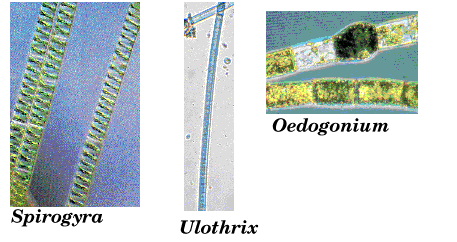
Microscopic Filamentous Green Algae
Microscopic Filamentous Green Algae ( plankton and attached )

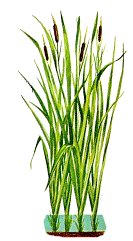
Cattail

Typha latifolia

Size: to 7 ft

Habitat: water's edge

Notes:


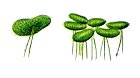
Duckweed

Spirodela polyrhiza

Size: to 0.1"

Habitat: floating free at surface

Notes: Among the smallest seed plants; important food for many waterfowl.


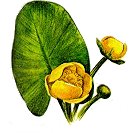
Yellow Water Lily

Nuphar advena

Size: to 9" (leaves)

Habitat: rooted in muddy bottoms with leaves floating at the surface

Yellow is the most common color, but you may also find white and pink.


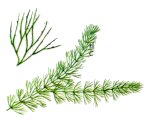
Hornwort

Ceratophyllum demersum

Size: to 10 ft

Habitat: beneath the surface in quiet waters

Notes: May form dense thickets


Lighting Basics

Feather Blenny

An unplanted aquarium should receive 6-10 hours of light per day. This can be either artificial or natural light. Direct sunlight should be avoided. While in the short run darkness does the fish no harm, how would you like to be kept in the dark most of the time? On the other hand, excessive lighting can lead to dangerous brown or green algae blooms, which can upset the entire balance of a tank, and eventually kill everything. This is caused mainly by excessive amounts of direct sunlight and is not really a problem with artificial lighting.