Miscellaneous
Reef Balls
By Bill Figley
Principal Fisheries Biologist
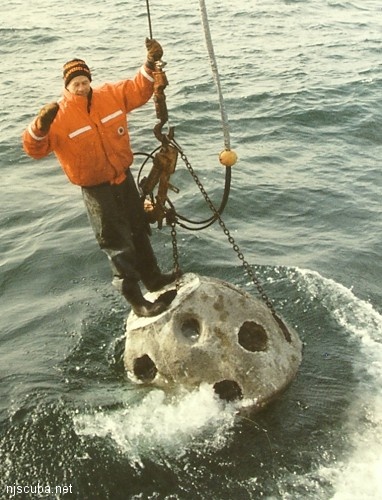
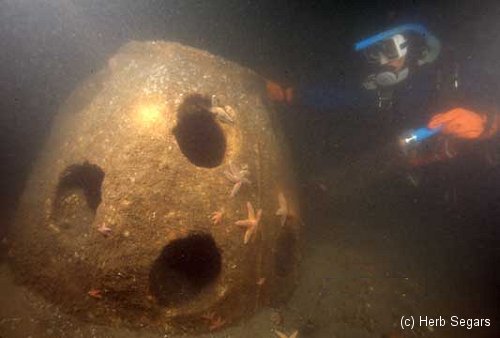
For the first time, early this summer 1999, New Jersey's Reef Program will place 600 designed fish habitats on its ocean artificial reefs. These designed reef habitats, called Reef Balls, were developed and patented by a company in Sarasota, FL. Reef Balls are made of concrete and resemble an igloo with lots of holes. The habitats are 4' in diameter, 3' high and weigh about 1,400 pounds. The many holes around the periphery provide access for fish, crabs, and lobsters to the hollow interior of the undersea homes.
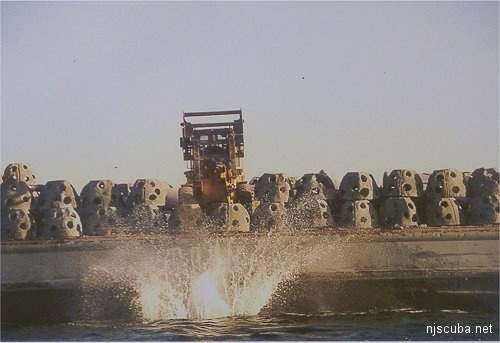
Through a cooperative project with Southern State Correctional Facility, Reef Balls are fabricated by inmate laborers at the facility located in Leesburg, Cumberland County. Fiberglass molds are used to cast the poured concrete. Each week, 30 new fish homes are manufactured and stored at the prison facility. By June of this year, the first 600 habitats will be trucked to the shore and transported by barge to an offshore, ocean reef site. The costs of molds, concrete, and transportation are being funded through the Federal Aid to Sportfish Restoration Program, which provides funds generated from federal excise taxes collected on sales of sport fishing equipment to state agencies for fisheries management and enhancement programs.
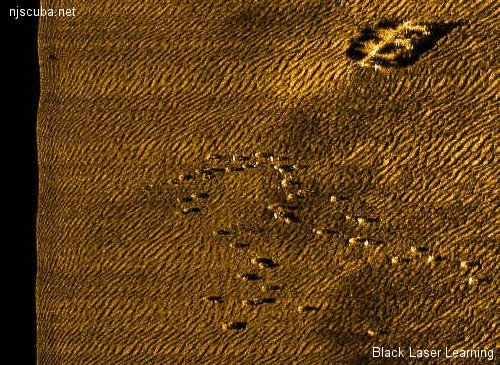
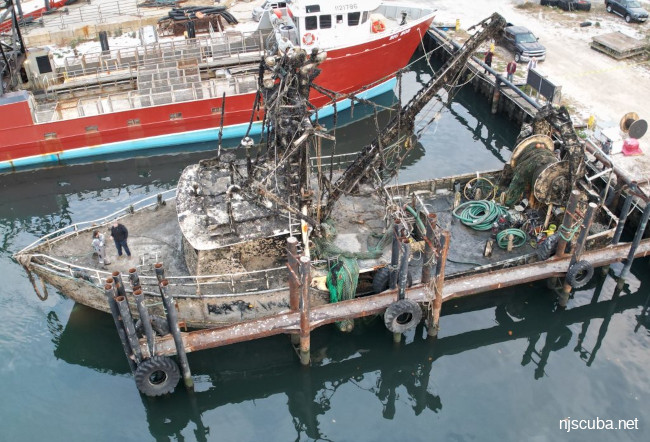
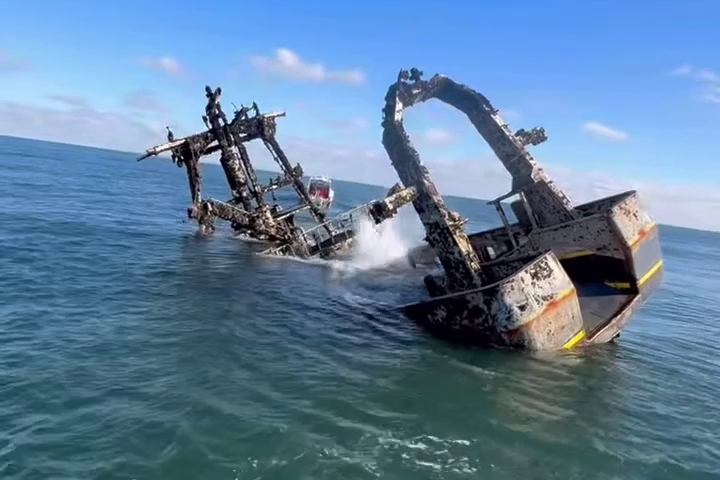
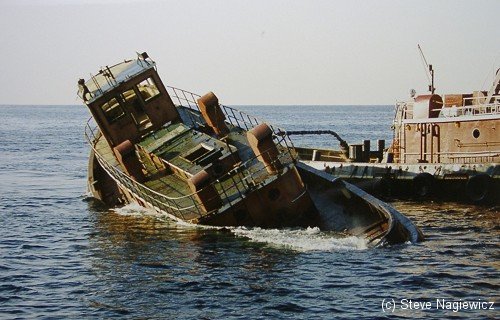
Up until now, the Reef Program was dependent upon materials of opportunity, such as rock, concrete debris, and derelict ships, to build reefs. Now, with these designed Reef Ball habitats, the Reef Program can avoid the drawbacks associated with materials of opportunity and derive the maximum environmental benefits.
Reef Balls have been used around the world's oceans to build artificial reefs. The concrete structures, when placed on the featureless sandy seafloor off the Jersey coast, will provide new homes for a dozen species of reef fish, crabs, and lobsters. The structures will enable reef inhabitants to hide and escape predation from larger ocean predators. The concrete substrate will afford a firm attachment surface for mussels, barnacles, and other sea life, which in turn, will become food for reef fishes.
Reprinted from NJ Fish & Wildlife Digest 1999 Marine Issue
Tire Units
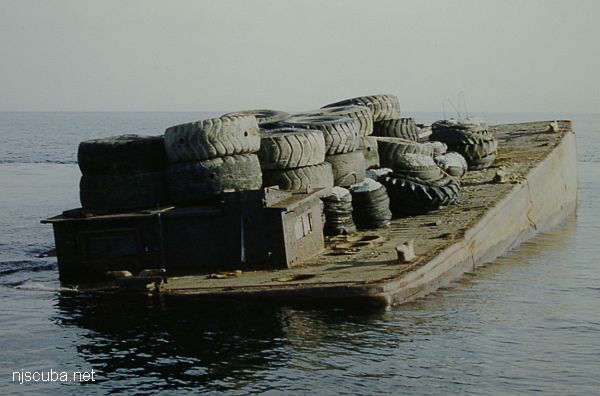
A tire unit is a structure built of old automobile or truck tires bound together with wire, usually in a pyramidal shape. These are sunk as habitat for marine organisms. As you may imagine, the tires provide numerous places for fish and lobsters to hide, and the rubber lasts a very long time. In fact, the rubber tires outlast anything that can be used to bind them, and it was found that tire units come apart over time. For this reason, rubber tires and tire units are no longer in use by the Reef Program. They have been superseded by concrete Reef Balls.

Why Do We Build Reefs the Way We Do?
Over the years, our reef-building tactics have been challenged by fishermen through comments like: don't put that concrete on top of good structure; don't spread out tire units, pile them up, it's easier to fish on; why don't you sink some ships on the Sandy Hook Reef? Believe it or not, there are well-thought-out strategies behind our reef-building efforts. Let's examine some of them.
More: Artificial Reefs Materials ...