
Aquatic Larvae

Many insects which are terrestrial as adults have aquatic larvae. Notorious among these are mosquitos. Most aquatic insects have aquatic larvae.
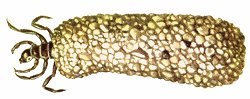
Caddisfly Nymph

Caddisfly Nymph
Trichoptera

Caddisfly larva build tube-like cases of sand, sticks, leaves, or other material.
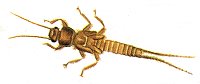
Stonefly Nymph

Stonefly Nymph
Neophasganophora spp.
larva to 2"
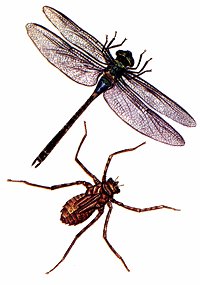

Dragonfly

Dragonfly - Adult & Nymph
Anax spp.
larva to 1 "
adult to 3"

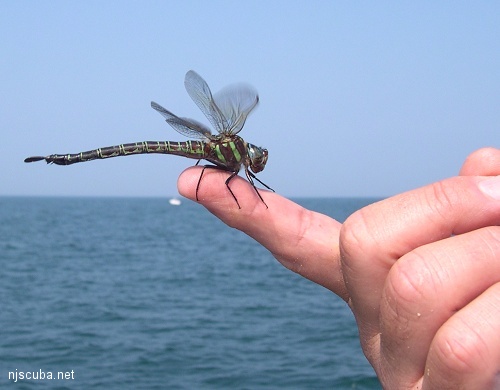
The clumsy-looking Dragonfly larva is actually a fierce predator, with protrusible jaws like something out of "Alien". Adults are often seen buzzing around ponds and lakes.
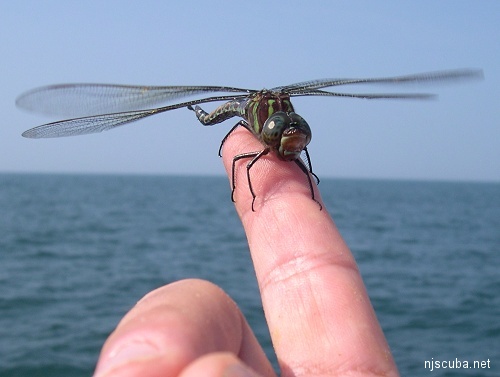
Dragonfly
Dragonfly
Dragonflies are anything but tame - this one was blown out to sea and exhausted

From way back when in 1996 ...

NJ Scuba
Diving Myths
by Dr. Jolie Bookspan, author of Diving Physiology in Plain English

Myth 1 - The Dive Reflex Protects You

diving myths

In the dive reflex, heart rate and limb blood flow decrease. Careful science ( that means we didn't accidentally step on the thermisters ) shows time and again that the dive reflex does not reduce the need for oxygen underwater as it does in marine mammals. Field studies ( where you're allowed to step on the thermisters ) indicate that the dive reflex does not extend breath-holding time. Occasional cases of human survival after very cold water near-drowning are not due to the dive reflex. Cold is the likely mechanism behind the reduced metabolism that permits survival.