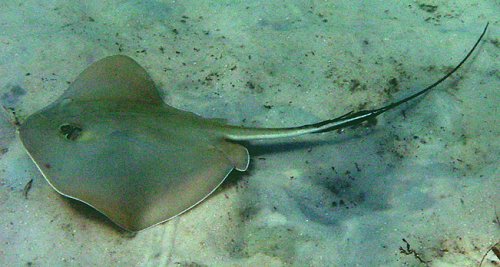
Bluntnose Stingray
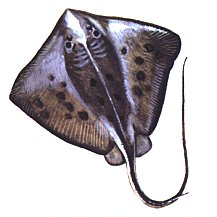
Dasyatis sayi
Size: to 3 ft across
Habitat: Soft sandy bottoms, depths from shallows to 1400 ft.
Notes:
Potentially dangerous
The commonest inshore ray. Long smooth whip-like tail with stinger but no fins. Roughtail Stingray similar but larger. Smaller Atlantic Stingray and larger Southern Stingray may occasionally stray this far north as well.
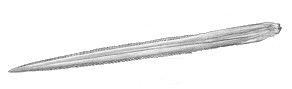
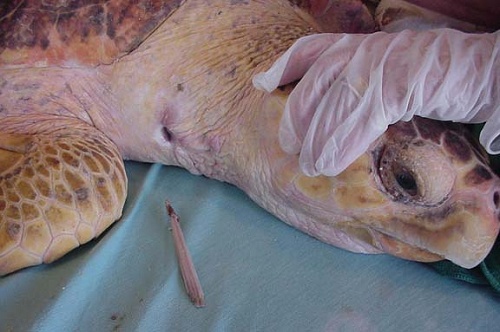
Stinger: These are covered with poisonous mucous and backward-pointing barbs, like a fish hook. The greatest danger, however, is from infection. Injuries are common among surf fishermen in southern waters who accidentally step on the animals. An embedded stinger will not pull out, and generally must be removed by surgery. Otherwise, it will slowly work itself inward. Stingray wounds can take months to recover from.
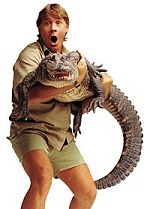
With modern medicine, stingrays are not considered life-threatening to humans, and deaths are extremely rare. Australian "Crocodile Hunter" Steve Irwin was killed while snorkeling in 2006 by a stingray hit to the chest which pierced his heart - he lived long enough to say goodbye; nothing on earth could have saved him. It was extremely bad luck. ( That ray was described as 8 feet long, estimated 220 lbs, with a barb probably 6-10 inches long. Our stingrays are much smaller. )
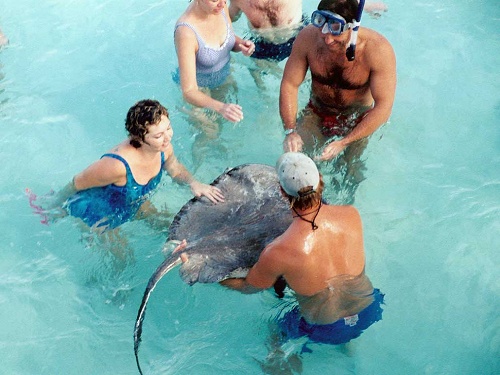
For the most part, though, stingrays are mild and unaggressive creatures, as evidenced by "Stingray City" at Grand Cayman Island, where hundreds of swimmers and stingrays share the water without incident every day.
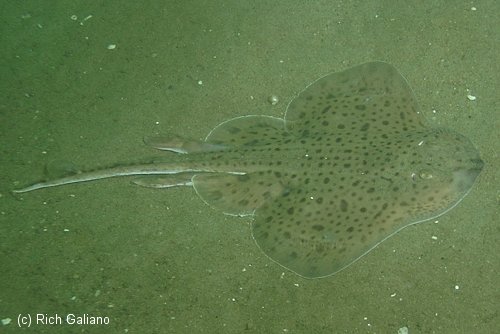
Skates and rays are related to sharks. Unlike flounders, these fish are flattened and lie on their bellies. Skates are harmless. Stingrays have one or more dangerous barbed stingers in the tail and will use them if molested. Finally, the Torpedo is an electric fish and can generate enough voltage to be dangerous. Some skates give birth to live young, while others lay their eggs encased in a horned Mermaid's Purse.
More: Skates & Rays ...